Beginner's Guide to Pet Grooming Techniques
Healthy Pets, Happy Owners
Beginner's Guide to Pet Grooming Techniques
1. Introduction to Pet Grooming
Importance of grooming for pets' health and well-being: Regular grooming is crucial for maintaining your pet's hygiene, skin health, and overall well-being. It helps prevent matting, reduces shedding, and can even improve your pet's behavior by providing them with a relaxing experience.
Overview of different pet grooming techniques: There are various methods of grooming depending on the type of pet and its specific needs. These include bathing, brushing, nail trimming, ear cleaning, and teeth brushing.
Benefits of regular grooming for both pets and owners: Not only does grooming benefit your pet, but it also strengthens the bond between you and your pet. Additionally, keeping your pet clean and well-groomed makes them more comfortable and less likely to cause allergic reactions or other issues for their human companions.
2. Basic Grooming Tools and Supplies
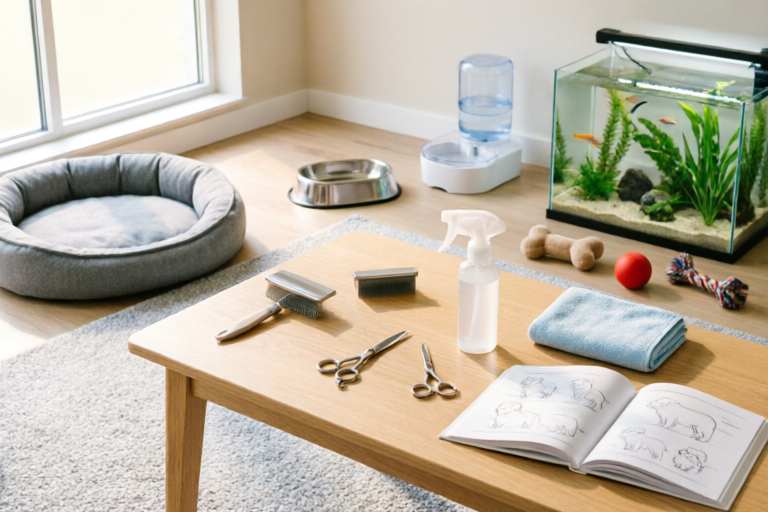
Essential tools needed for pet grooming: The most common tools used in pet grooming include combs, brushes, clippers, and scissors. Each tool serves a specific purpose, such as detangling knots, removing loose hair, or cutting excess fur.
Different types of grooming supplies: Shampoos, conditioners, sprays, and other grooming products are available to cater to different breeds and coat types. Some products are designed to soothe irritated skin, while others may help control shedding or add shine to dull coats.
How to choose the right tools and supplies for your pet: When selecting grooming supplies, consider your pet's breed, coat type, and any specific skin or health conditions they may have. For example, a wire brush might be ideal for short-haired dogs, while a slicker brush would be better suited for long-haired cats.
3. Bathing Your Pet: Step-by-Step Guide
Preparing your pet for a bath: Before giving your pet a bath, make sure they are brushed thoroughly to remove any tangles or loose hair. This will make the bathing process smoother and more enjoyable for both you and your pet.
Proper bathing techniques: Use lukewarm water and gentle shampoos specifically formulated for pets. Apply the shampoo evenly across your pet's body, paying extra attention to areas like the back, legs, and tail. Avoid getting soap in their eyes or ears.
Drying your pet after the bath: After rinsing off all the shampoo, gently towel dry your pet. If necessary, use a blow dryer set to low heat and hold it several inches away from your pet's skin to avoid burning them. Ensure that all parts of their body are completely dry before letting them outside.
4. Brushing and Combing: Maintaining Healthy Fur
Types of brushes and combs suitable for different fur types: Depending on your pet's coat, you may need different types of brushes and combs. For instance, a pin brush works well for short-haired dogs, whereas a wide-tooth comb is better for long-haired cats.
Frequency of brushing based on pet breed and coat type: Short-haired pets typically require weekly brushing, while long-haired pets may need daily brushing to prevent matting. Double-coated breeds, like Siberian Huskies or German Shepherds, often benefit from more frequent brushing during shedding seasons.
Tips for dealing with tangles and mats: If you encounter tangles or mats, start by gently working through them with your fingers. Then, use a comb or brush to slowly untangle the area. Be patient and avoid pulling too hard, which could hurt your pet.
5. Trimming Nails and Clipping Hair: Essential Maintenance
How to trim your pet’s nails safely at home: To trim your pet's nails, first find the quick, which contains blood vessels and nerves. Use a sharp pair of clippers and only cut the tip of the nail. If you accidentally cut into the quick, apply styptic powder to stop bleeding.
Techniques for clipping hair around eyes, ears, and paws: Use small scissors or electric clippers to carefully trim hair around sensitive areas like eyes, ears, and paws. Be cautious not to nick your pet's skin.
Signs that it's time for professional grooming: If your pet has thick, matted fur or requires extensive grooming, it might be best to consult a professional groomer. They have specialized equipment and expertise that can ensure a safe and effective grooming session.
6. Final Thoughts and Recommendations
Summary of key points covered in the guide: This guide has provided an overview of pet grooming, including the importance of regular grooming, essential tools and supplies, proper bathing techniques, brushing and combing tips, nail trimming methods, and hair clipping techniques.
Encouragement for consistent grooming routines: Establishing a consistent grooming routine will help maintain your pet's health and appearance. It also provides an opportunity for bonding and ensures that any potential issues are caught early.
Resources for further learning about advanced pet grooming techniques: For those interested in learning more about advanced pet grooming techniques, there are numerous books, online courses, and workshops available. Additionally, joining local pet grooming groups or forums can provide valuable insights and support.
Comments

Trimming hair around the ears was tricky, but I think I got it. Thanks for the detailed instructions!

I've been following these steps but my pet still seems uncomfortable. Any suggestions?

Great tips! My dog's fur gets so tangled, any advice for long-haired breeds?

I've been using the step-by-step bath guide and my cat is getting used to it. It's a lot less stressful now!

I tried trimming Buddy's nails but I'm still not confident. Any tips for avoiding accidents?

Wow, this guide really helped me get started with my dog's grooming! I never knew how important it was to use the right brush for her coat type.