How to Properly Groom Your Dog at Home: A Beginner's Guide
Master the art of dog grooming at home with our easy-to-follow guide.
Introduction to Dog Grooming
Importance of Regular Grooming for Your Dog’s Health and Hygiene:
Regular grooming is not just about keeping your dog looking good; it plays a crucial role in maintaining their overall health and hygiene. Proper grooming can help prevent skin infections, reduce shedding, and keep your dog's coat and skin healthy. Additionally, it provides an opportunity to bond with your pet and check for any unusual lumps, bumps, or irritations.
Benefits of Grooming at Home vs. Professional Grooming Services:
Grooming your dog at home can save you money compared to professional grooming services. It also allows you to build a stronger bond with your pet and ensures that they get accustomed to being handled regularly. However, professional groomers have specialized knowledge and tools that can be beneficial if you're unsure about certain aspects of grooming.
Essential Tools and Products for Home Grooming
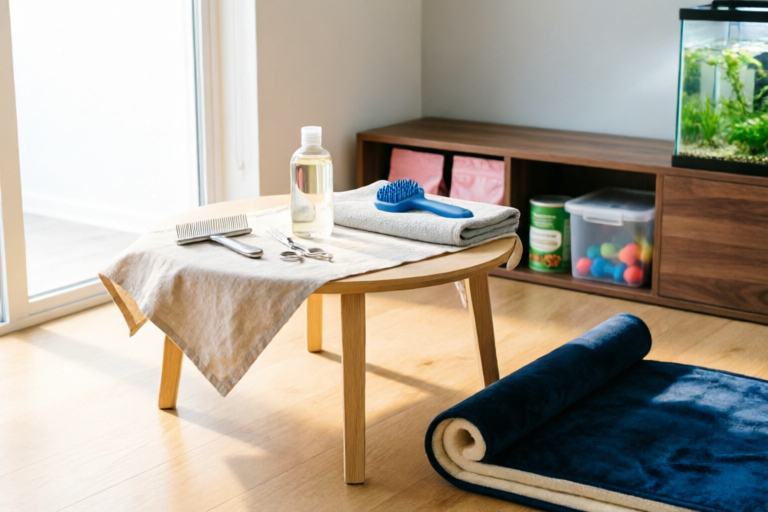
List of Necessary Grooming Tools:
- Bright Sticks: A versatile tool for removing tangles and debris from your dog's coat.
- Pin Brushes: Ideal for long-haired breeds to remove tangles and distribute natural oils.
- Rake Combs: Used for deep cleaning and removing dead hair from thick coats.
- Scissors: For precise trimming, especially around the paws and face.
Recommended Grooming Products:
- Dog Shampoo: Choose a pH-balanced shampoo suitable for your dog's coat type.
- Conditioner: Helps detangle and moisturize the coat.
- Detangler Spray: Useful for managing knots and tangles.
Safety Tips When Using Grooming Equipment:
Always ensure your dog is calm and comfortable before starting. Use sharp, clean tools and follow safety guidelines to avoid accidents. Never leave sharp objects unattended around your dog.
Basic Steps for Bathing Your Dog
Preparing the Bathing Area:
Choose a quiet, warm room with good ventilation. Lay down a non-slip mat and fill a tub or sink with warm water. Ensure the temperature is comfortable for your dog by testing it with your elbow.
Wetting and Shampooing Your Dog:
Start by wetting your dog thoroughly, paying special attention to areas like the back, legs, and belly. Apply a small amount of dog shampoo and work it into a lather, avoiding the eyes, ears, and nose. Focus on areas prone to dirt or odor.
Rinsing Thoroughly and Drying:
Rinse your dog completely, ensuring no shampoo residue remains. Use a soft towel to pat your dog dry, followed by a blow dryer set to a low, warm setting. For dogs who dislike baths, consider using a no-rinse shampoo or a high-quality dog conditioner.
Tips for Dealing with Water-Resistant Dogs or Those Who Dislike Baths:
For dogs who are resistant to water, try using a no-rinse shampoo or a high-quality dog conditioner. You can also use a gentle spray-on cleaner for spot cleaning. Reward your dog with treats during the process to create positive associations with bathing.
Brushing and Combing Techniques
Different Brushing Techniques Based on Coat Type:
Short-haired dogs benefit from regular brushing with a slicker brush to remove loose hair and distribute oils. Medium-haired dogs may require more frequent brushing with a pin brush or comb to prevent matting. Long-haired dogs need daily brushing with a rake comb to prevent tangles and mats.
How to Handle Tangles and Mats Effectively:
To remove tangles, start by gently working through them with your fingers or a wide-toothed comb. If the tangle is severe, use a detangling spray and work slowly with a slicker brush or comb. Avoid pulling too hard, as this can cause pain or injury.
Frequency Recommendations for Brushing:
Brush your dog daily if possible, especially if they have a long coat. Short-haired dogs can be brushed less frequently, but aim for at least once a week. Regular brushing helps prevent matting and keeps your dog's coat healthy.
Trimming Nails and Managing Ear Care
How to Trim Nails Safely Without Causing Discomfort:
Use a nail clipper designed for dogs, and trim only the tip of the nail to avoid cutting into the quick. If you're unsure, consult a professional groomer or veterinarian. Reward your dog with treats during the process to make nail trimming a positive experience.
Cleaning Ears and Checking for Signs of Infection:
Use a cotton ball dipped in a vet-approved ear cleaner to gently wipe away dirt and debris from your dog's ears. Check for redness, swelling, or foul odors, which could indicate an infection. If you notice any issues, consult your veterinarian.
Signs That Professional Help May Be Needed:
If your dog has particularly tough mats or if you're uncomfortable with certain grooming tasks, it may be best to seek professional assistance. Additionally, if your dog shows signs of distress or discomfort during grooming, stop immediately and consult a professional.
Final Tips and Common Mistakes to Avoid
Maintaining a Consistent Grooming Routine:
Establish a regular grooming schedule and stick to it. This helps your dog become accustomed to the process and reduces stress. Make grooming a positive experience by rewarding your dog with treats and praise.
Understanding Breed-Specific Grooming Needs:
Different breeds have different grooming requirements. Research your dog's specific needs and adjust your grooming routine accordingly. Some breeds may require more frequent bathing or brushing than others.
Addressing Common Mistakes Beginners Make During Grooming Sessions:
Avoid over-shampooing, as this can strip your dog's coat of natural oils. Also, be cautious when using scissors or clippers, as improper use can cause injury. Always ask for help if you're unsure about a particular task.
Conclusion
Recap of Key Points Discussed in the Guide:
This guide has covered the importance of regular grooming, essential tools and products, basic steps for bathing, brushing techniques, nail trimming, ear care, and common mistakes to avoid. By following these tips, you can confidently groom your dog at home and maintain their health and hygiene.
Encouragement to Start Grooming Confidently at Home:
Grooming your dog at home can be a rewarding experience for both you and your pet. With practice and patience, you'll become more confident in your abilities. Remember to always prioritize your dog's comfort and safety.
Resources for Further Learning About Advanced Grooming Techniques:
For more information on advanced grooming techniques, consider joining online forums, attending workshops, or consulting professional groomers. There are also many books and videos available that can provide additional guidance and inspiration.
Comments

I started grooming at home and it's been a game changer. My dog looks and feels so much better!

Thanks for the tips! My dog is allergic to certain shampoos. Any suggestions for hypoallergenic products?

Great guide! I'm still a bit unsure about the frequency of brushing though. My dog sheds a lot.

I followed the ear cleaning instructions but noticed some redness. Should I stop or see a vet?

This is exactly what I needed! My dog hates baths, so the tips on dealing with water-resistant dogs were super helpful.
I've been struggling with my long-haired dog getting mats. Any advice on how often I should brush him?

Wow, I tried trimming my dog's nails for the first time! It was a bit nerve-wracking but following these steps helped. My dog didn't even flinch!