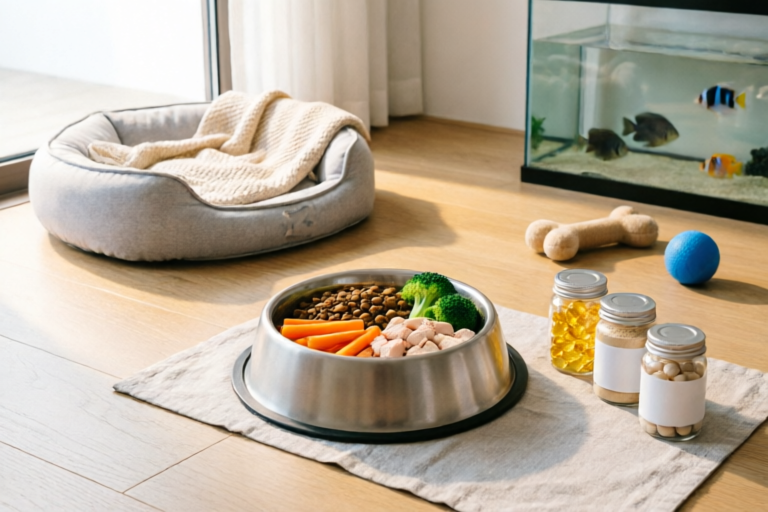
How to Build a Balanced Diet Plan for Puppies
Bringing a new puppy home is an exhilarating experience filled with boundless energy, playful moments, and heartwarming bonds. However, behind the scenes of puppy training and socialization lies a critical foundation that determines the dog’s lifelong health: nutrition. Many first-time owners focus heavily on toys, beds, and crates, yet often overlook the complexity of creating a nutritional strategy that supports rapid developmental changes. A puppy’s diet is not simply about providing calories to fill an empty belly; it is about fueling cellular replication, skeletal maturation, and cognitive refinement during the most sensitive period of their life.
Building a balanced diet plan for your puppy requires a combination of scientific knowledge, practical observation, and consistent effort. Different breeds mature at different rates, and their nutritional needs vary drastically from a teacup Chihuahua to a giant Irish Wolfhound. This comprehensive guide will take you through every essential aspect of designing a feeding strategy that promotes robust health, prevents developmental disorders, and sets the stage for a long, vibrant companionship. From calculating energy needs to choosing premium ingredients, we cover it all to empower you as a responsible pet guardian.
## 1. The Importance of Optimal Nutrition for Puppy Development
The juvenile phase of a dog’s life spans from birth until puberty, typically ending between 12 to 24 months depending on the breed size. During this window, the puppy undergoes profound physiological transformations that occur nowhere else in their lifetime. The metabolism is hyperactive, and the body is constantly synthesizing new tissue. Understanding why nutrition plays such a pivotal role during these formative months is the first step toward better care.
### 1.1 Supporting Skeletal Growth and Joint Integrity
Perhaps the most visible aspect of puppy development is physical growth. A puppy may double or triple its body weight in the first few months. This rapid expansion places immense stress on the developing skeletal system. Proper nutrition ensures that the bones grow at a pace compatible with the strength of the surrounding joints. Minerals like calcium and phosphorus are the building blocks of bone matrix. An excess or deficiency of these minerals can have catastrophic consequences. For instance, feeding a large-breed puppy too much calcium can accelerate bone formation faster than the cartilage can ossify, leading to painful conditions like hypertrophic osteodystrophy (HOD) or elbow dysplasia. Conversely, a lack of these minerals results in brittle bones prone to fractures. Therefore, a diet specifically formulated for growth, rather than adult maintenance, is crucial to ensure the ratio of minerals remains balanced precisely.
### 1.2 Fueling Brain Development and Cognitive Acuity
While skeletal growth is visible, the development of the nervous system is invisible yet equally vital. The puppy brain undergoes a critical period of synaptogenesis and myelination during the first year. Neural pathways must be formed to process sensory input, learn commands, and regulate behavior. Fatty acids, particularly DHA (Docosahexaenoic Acid) found in fish oils, are essential components of neuron membranes. Research in veterinary science suggests that puppies fed diets enriched with omega-3 fatty acids demonstrate better performance in cognitive tests and training exercises compared to those on standard diets. Furthermore, antioxidants like Vitamin E and Vitamin A protect these delicate brain structures from oxidative damage. Ensuring your puppy receives adequate amounts of these nutrients directly correlates to improved learning ability, memory retention, and mental resilience as they mature.
### 1.3 Strengthening the Immune Defense Mechanism
Puppies inherit passive immunity from their mother via colostrum in the first few hours after birth, but this protection wanes as they age. Once their own immune system begins active defense, it requires significant nutritional support to combat environmental pathogens. Proteins provide the amino acids necessary for antibody production. Zinc is a cofactor for numerous immune enzymes, aiding in cell division and wound healing. Vitamins C and E function as potent antioxidants that neutralize free radicals produced during metabolism. A deficiency in these micronutrients leaves the puppy vulnerable to respiratory infections, gastrointestinal viruses, and parasitic infestations. Additionally, the gut microbiome, which colonizes the digestive tract upon weaning, plays a central role in immunity. A diet rich in prebiotic fibers fosters healthy bacteria that outcompete harmful pathogens, creating a fortified barrier against illness. A well-nourished puppy is essentially more prepared to face the challenges of the outside world.
## 2. Determining Caloric and Nutrient Requirements
Identifying the exact amount of food a puppy needs is often the most challenging part of diet planning. Unlike adult dogs, whose caloric needs are relatively stable, puppies require dynamic calculations based on age, current weight, projected adult weight, and breed size. Feeding too little can stunt growth, while feeding too much can predispose the dog to obesity, which puts strain on the heart and joints.
### 2.1 Calculating Daily Energy Requirements (DER)
Veterinarians typically utilize the Resting Energy Requirement (RER) formula to estimate energy needs, multiplying it by a growth factor specific to the puppy’s age. The RER formula is calculated as 70 multiplied by the body weight in kilograms raised to the power of 0.75. However, this baseline must be adjusted. Puppies between 2 and 4 months old generally require roughly 2.5 to 3 times their RER because of the intense energy cost of growth spurts. As they move past 4 months, this multiplier decreases gradually to about 1.6 times RER by adolescence. By the time they reach 12 months, they typically stabilize near 1.0 to 1.2 times RER for maintenance.
Breed size significantly impacts these calculations. Small breeds (under 20 lbs as adults) have a much higher surface-area-to-volume ratio, causing them to lose heat faster and necessitating a higher caloric density. They may need frequent, nutrient-dense meals to sustain metabolic rates. Large breeds (over 50 lbs as adults) have slower metabolisms relative to their mass and need to grow slowly to avoid orthopedic issues. Overfeeding a Great Dane puppy can force excessive weight gain that exceeds their structural capacity, damaging cartilage permanently. Therefore, always consult breed-specific guidelines or veterinary software to determine the DER accurately.
### 2.2 Macro-nutrient Ratios: Protein, Fats, and Carbohydrates
Macronutrients provide the bulk of the calories and perform specific functions in the body. A balanced puppy diet is a complex synergy of proteins, fats, and carbohydrates.
**Protein:** Puppies require high levels of protein to build muscle and organ tissue. The Association of American Feed Control Officials (AAFCO) recommends a minimum of 22% crude protein on a dry matter basis for growth. However, high-quality sources matter. Animal-based proteins such as chicken, beef, lamb, and fish are superior to plant-based proteins because they contain a complete amino acid profile required for synthesis. Avoid vague terms like "meat by-product" as the first ingredient, as they are less digestible and predictable.
**Fats:** Fats are the most concentrated source of energy and are essential for absorbing fat-soluble vitamins (A, D, E, K). They also contribute to a glossy coat and soft skin. Omega-6 fatty acids are needed for skin integrity, while Omega-3s reduce inflammation. A typical range is 8% to 15% fat for small breeds and slightly lower for larger breeds to prevent rapid weight accumulation. However, excessively high-fat diets can trigger pancreatitis, especially in susceptible breeds.
**Carbohydrates:** While not strictly essential for obligate carnivores like dogs, carbohydrates serve as a readily available energy source and provide dietary fiber. Sources like sweet potatoes, brown rice, or whole grains aid in digestion and prevent constipation. Grain-free diets have gained popularity, but recent studies linking certain grain-free formulations to Dilated Cardiomyopathy (DCM) mean caution is advised. Unless a specific allergy is diagnosed, grains offer valuable nutrients and fiber.
### 2.3 The Calcium-Phosphorus Critical Ratio
The relationship between calcium and phosphorus is non-negotiable in puppy nutrition. The body requires a specific ratio of approximately 1.2:1 to 1.4:1 calcium to phosphorus. This balance is maintained by hormones regulating bone resorption and deposition. If phosphorus is too high relative to calcium, parathyroid hormone is released to dissolve bone to release calcium, weakening the skeleton. If calcium is too high, it inhibits the absorption of other minerals and causes skeletal abnormalities. Commercial puppy foods labeled for "growth" or "all life stages" generally adhere to this. Homemade diets are extremely risky without professional formulation because it is difficult for amateurs to calculate mineral supplements accurately. Always verify the guaranteed analysis on pet food labels to ensure this ratio is respected.
## 3. Choosing Safe and High-Quality Food Options
With thousands of products available on supermarket shelves and online, selecting the right food can be daunting. Quality varies wildly, from processed fillers to whole-food ingredients. Your goal is to choose options that maximize nutrient density while minimizing potential toxins or allergens.
### 3.1 Comparing Dry Kibble, Wet Food, and Raw Diets
**Commercial Dry Kibble:** This remains the most popular option due to convenience, cost-effectiveness, and dental benefits. The kibble texture can help scrape away tartar. It is also shelf-stable and easy to store. High-quality kibble utilizes extrusion technology that cooks ingredients at high temperatures, eliminating pathogens like Salmonella. Look for kibble that uses rendered meats sparingly and focuses on whole muscle meats as the primary ingredient.
**Wet or Canned Food:** Wet food has a high moisture content (around 70-80%), which aids hydration, making it excellent for puppies who may not drink enough water. It is often more palatable for picky eaters. However, it is significantly more expensive and offers less mechanical cleaning for teeth. Mixing wet and dry food is a popular compromise, allowing owners to get the moisture of the former with the dental benefits of the latter.
**Raw and Freeze-Dried Diets:** Some owners prefer raw diets to mimic a wild ancestor’s consumption. Proponents claim benefits in coat shine and energy. However, the USDA has warned of the risks of Salmonella and E. coli in raw meat, posing a danger to both the dog and household members handling the food. Raw diets also present a high risk of nutritional imbalance if not meticulously planned with a veterinary nutritionist. If choosing this route, hygiene practices must be impeccable, and regular blood work should be performed.
### 3.2 Decoding the Ingredient Label
The first five ingredients listed on the front of the bag tell the story of the food’s quality. Regulations require ingredients to be listed by descending order of weight.
1. **Primary Protein Source:** Should be a named meat, such as "Chicken," "Lamb," or "Salmon." "Animal Meal" is acceptable if specified (e.g., "Chicken Meal"), but generic "Meat Meal" is suspicious.
2. **Carbohydrate Base:** Look for digestible carbs like oats, barley, or potato rather than corn syrup or wheat middlings used solely as fillers.
3. **Added Fats:** Listed as "Beef Fat" or "Fish Oil" is better than "Vegetable Oil," which can be refined and oxidized.
4. **Vitamins and Minerals:** A list of added choline, taurine, and zinc indicates fortification for growth.
5. **Preservatives:** Look for natural preservatives like mixed tocopherols (Vitamin E). Synthetic preservatives like BHA, BHT, or ethoxyquin should be avoided.
Always check for the AAFCO statement on the back label. Phrases like "formulated to meet AAFCO Dog Food Nutrient Profiles for Growth" confirm that the food has been tested to provide complete nutrition for puppies. Products merely claiming "similar to" or "complete" without referencing the profile may be inadequate.
### 3.3 Toxic Ingredients to Absolutely Avoid
Some foods commonly eaten by humans are lethal to dogs. Chocolate contains theobromine, grapes and raisins can cause kidney failure, onions and garlic damage red blood cells, and macadamia nuts affect the neuromuscular system. Even seemingly harmless items like Xylitol (found in gum and peanut butter) are fatal as they trigger massive insulin releases leading to hypoglycemic shock. Never introduce new treats or human table scraps to your puppy’s plate without vet approval. If accidental ingestion occurs, contact your veterinarian immediately or visit an emergency clinic.
## 4. Setting Up a Consistent Feeding Routine
Consistency creates predictability, which reduces anxiety in puppies. Their digestive systems adapt to scheduled meal times, and irregular feeding can lead to behavioral issues like resource guarding or aggression around the bowl. Establishing a routine helps in housetraining as well, as digestion becomes predictable.
### 4.1 Recommended Meal Frequencies by Age
Puppies have small stomach capacities and high metabolic rates. They cannot go long periods without food.
* **8 Weeks to 3 Months:** Feed four to five small meals a day. Hypoglycemia is a serious risk in toy breeds during this time, requiring frequent intake.
* **3 Months to 6 Months:** Move to three meals a day. This allows for a bit more volume per meal while maintaining steady energy.
* **6 Months to 12 Months:** Transition to two meals a day. This aligns with adult feeding schedules and simplifies the owner’s routine.
* **12 Months Plus:** Continue with twice daily for most breeds. Some large breeds may still benefit from three meals until 18 months to monitor weight gain closely.
Splitting meals prevents the stomach from distending too quickly, reducing the risk of bloat (Gastric Dilatation-Volvulus), which is life-threatening and common in deep-chested breeds like Great Danes and German Shepherds.
### 4.2 Techniques for Accurate Portion Measurement
Many owners overfeed because they pour from the eye rather than using tools. Cups included with bags are notoriously inaccurate due to variations in kibble shape and brand compression. To ensure precision, purchase a digital gram scale. Measure the food daily.
Start with the feeding recommendation on the bag, then adjust based on body condition. Monitor your puppy every two weeks. If the puppy gains weight too fast, decrease portions by 5-10%. If the puppy is losing weight or appears hungry, increase slightly. Be wary of begging behavior; dogs will ask to eat regardless of hunger, driven by habit.
### 4.3 Hydration and Bowl Selection
Fresh, clean water should always be available. Change water at least twice daily to ensure freshness. Ceramic or stainless steel bowls are safer than plastic ones, which can harbor bacteria and cause chin acne in some breeds. Deep bowls are preferable to wide flat dishes to encourage proper swallowing mechanics. After meals, remove the water temporarily if the puppy tends to splash water everywhere, then restore it immediately.
### 4.4 Managing Treats and Snacks
Treats are powerful tools for training and bonding, but they must be accounted for in the total daily caloric budget. The "10% Rule" states that treats should make up no more than 10% of a puppy’s daily caloric intake. If the daily allowance is 500 calories, only 50 should come from extras. Use healthy, low-calorie snacks like carrot sticks, green beans, or small pieces of boiled chicken instead of commercial cookies. This prevents obesity while keeping motivation high during training sessions.
## 5. Evaluating Success and Long-Term Dietary Adjustments
A diet plan is not set in stone. As the puppy grows, ages, and potentially develops sensitivities, the plan must evolve. Continuous evaluation ensures that the nutrition continues to meet changing needs.
### 5.1 Tracking Physical Growth Metrics
Keep a growth journal. Record the puppy’s weight weekly for the first six months. Plot this data against breed-specific growth charts available from major kennel clubs or veterinary resources. Significant deviations from the norm—either stunted growth or explosive weight gain—require immediate investigation. Also, measure shoulder height periodically to track skeletal elongation. If a puppy seems lethargic despite eating well, it may indicate an underlying issue beyond simple hunger, such as anemia or parasites.
### 5.2 Monitoring Body Condition Score (BCS)
Visual inspection is insufficient; tactile assessment is required. A Body Condition Score of 1 to 9 is standard, with 5 being ideal. At a score of 5, the ribs are easily palpable with light pressure, the waist is visible from above, and the abdomen is tucked from the side. If ribs cannot be felt without pressing down firmly, the puppy is overweight. If ribs are protruding, the puppy is underweight. Monthly checks help catch subtle shifts before they become chronic health problems. Obesity in puppies leads to early arthritis and reduced lifespan.
### 5.3 Adjusting for Life Transitions
As the puppy approaches sexual maturity and growth plates begin to close, caloric needs drop. Switching from "Growth" formulas to "Adult Maintenance" formulas is appropriate once the growth plates fuse. This timing varies by breed: small breeds may mature by 9-10 months, while giant breeds may need "Growth" or "Large Breed" formulas until 24 months to ensure joint health is finalized. A slow transition of 7 to 10 days is necessary to avoid digestive upset. Gradually mix the new food with the old, increasing the proportion of new food over the week.
### 5.4 Recognizing Signs of Dietary Issues
Pay attention to stool quality. Hard, rock-like stools may indicate dehydration or lack of fiber. Soft, mushy stools suggest sensitivity to a protein source or excessive fats. Vomiting or persistent itching and ear infections can signal allergies. If these symptoms persist, consult your vet. They may recommend an elimination diet trial to identify specific allergens. Regular veterinary check-ups should accompany dietary changes to run blood panels for liver and kidney function, ensuring that the chosen diet does not strain the organs.
### 5.5 Building a Partnership with Your Veterinarian
Ultimately, you are the decision-maker, but your veterinarian is the consultant. Share your feeding plan with them before implementing major changes. Discuss upcoming vaccinations, deworming schedules, and any breed-specific genetic predispositions that might affect diet. Trusting professionals ensures that your homemade experiments or exotic diet choices do not inadvertently harm your pet.
## Conclusion
Building a balanced diet plan for puppies is an ongoing journey that demands patience, observation, and education. It goes beyond simply filling a bowl; it involves orchestrating a symphony of nutrients that supports the miracle of growth. By prioritizing high-quality ingredients, understanding energy requirements specific to breed size, maintaining a consistent routine, and regularly evaluating your puppy’s condition, you lay the groundwork for a healthy, vibrant life. The choices you make during these early months resonate through every subsequent year of your dog’s existence. Remember, the best diet is one that keeps your puppy lively, happy, and symptom-free. With the right nutrition, you are not just feeding a pet; you are investing in a lifelong friend. Nurture them wisely today to enjoy a thriving companionship tomorrow.
---
### Frequently Asked Questions
**Q: How often should I weigh my puppy?**
A: Weigh your puppy weekly for the first six months to monitor growth velocity. Afterward, bi-weekly or monthly checks are sufficient.
**Q: Can I mix dry and wet food together?**
A: Yes, mixing is common and helps with hydration. Ensure you account for the total calories of both parts of the meal.
**Q: What happens if I switch food too quickly?**
A: Rapid switches can cause vomiting, diarrhea, and loss of appetite due to bacterial changes in the gut. Always transition over 7-10 days.
**Q: Are organic foods better for puppies?**
A: Organic doesn’t always mean healthier or higher protein. Focus on ingredient quality and AAFCO compliance rather than the "organic" label alone.
**Q: My puppy is picky. Should I offer human food to entice him?**
A: No, this reinforces pickiness. Instead, warm the food slightly to release aromas, or top with a tiny amount of broth. Consult a vet if refusal persists, as it may indicate pain or illness.