How to Keep Your Pet Healthy at Home
Healthy Pets, Happy Homes
Introduction
Maintaining the health of your pet is crucial not only for their well-being but also for ensuring they live longer, happier lives. In this article, we will explore various aspects of pet care that you can implement at home to keep your furry friend in top shape. We'll cover everything from nutrition and exercise to hygiene practices and veterinary care, providing you with practical advice to help you become a more informed and proactive pet owner.
1. Proper Nutrition for Your Pet
Importance of a Balanced Diet
A well-balanced diet is the cornerstone of your pet's health. Just like humans, pets need a variety of nutrients to thrive. Ensure that your pet’s food contains the right proportions of proteins, fats, carbohydrates, vitamins, and minerals. A balanced diet helps maintain optimal body weight, supports immune function, and promotes overall vitality.
Recommended Foods and Supplements
Choose high-quality pet food that meets the specific dietary needs of your pet. For dogs and cats, look for products that are formulated for their age, breed, and activity level. Consider adding supplements such as fish oil for omega-3 fatty acids or glucosamine for joint health if recommended by your veterinarian. Always consult with your vet before introducing new supplements to avoid any adverse reactions.
Avoiding Harmful Ingredients
Be cautious about feeding your pet table scraps or human foods that can be toxic. Common offenders include chocolate, onions, garlic, grapes, and raisins. Additionally, avoid foods high in salt, sugar, and artificial additives. Opt for natural, whole foods that provide nutritional benefits without unnecessary preservatives.
2. Regular Exercise and Mental Stimulation
Benefits of Physical Activity for Pets
Regular exercise is vital for keeping your pet physically fit and mentally stimulated. It helps prevent obesity, strengthens muscles and bones, improves cardiovascular health, and reduces stress. Exercise also plays a key role in managing behavioral issues such as excessive barking or chewing.
Creative Ways to Engage Pets Mentally
Physical activity alone isn't enough; mental stimulation is equally important. Interactive toys, puzzle feeders, and training sessions can challenge your pet's mind and keep them engaged. For example, hide-and-seek games or scent-based activities can be particularly stimulating for dogs. Cats may enjoy chasing laser pointers or playing with feather wands.
Tips for Incorporating Exercise into Daily Routines
Establish a consistent exercise routine that fits your pet's lifestyle and energy levels. Short walks, playtime, and indoor activities can all contribute to a healthier pet. Consider setting aside specific times each day for active engagement, whether it's early morning or late evening. Tailor the intensity and duration of exercise based on your pet's age, breed, and overall health.
3. Maintaining Good Hygiene Practices
The Role of Hygiene in Preventing Diseases
Good hygiene practices are essential for preventing the spread of infectious diseases and parasites. Regular grooming and cleaning can help remove dirt, debris, and potential allergens from your pet's coat and skin. This not only keeps your pet looking and feeling good but also helps detect any unusual lumps, bumps, or changes in skin condition early on.
Steps for Grooming and Cleaning Pets
Grooming frequency depends on your pet's breed and coat type. Brush your pet regularly to prevent matting and reduce shedding. Bathe your pet as needed, using gentle, pet-safe shampoos. Trim nails when necessary and clean ears and teeth to prevent infections. Consult your veterinarian for guidance on appropriate grooming techniques and products.
Keeping Living Spaces Clean and Safe
A clean and safe living environment is crucial for your pet's health. Regularly clean your pet's bedding, toys, and feeding areas to minimize exposure to germs and bacteria. Use non-toxic cleaning agents and avoid leaving hazardous chemicals within reach. Ensure that your home is free from potential hazards such as small objects that could be swallowed or sharp edges that might cause injury.
4. Routine Veterinary Care and Vaccinations
Scheduling Regular Check-Ups with a Veterinarian
Regular visits to the veterinarian are an integral part of preventive care. Annual check-ups allow your vet to monitor your pet's health, catch any issues early, and provide timely recommendations. During these appointments, your vet will perform a thorough physical examination, review vaccination records, and discuss any concerns you may have.
Understanding the Importance of Vaccinations
Vaccinations protect your pet against serious and potentially fatal diseases. Core vaccines are recommended for all pets, while non-core vaccines may be necessary depending on your pet's lifestyle and risk factors. Discuss with your veterinarian which vaccines are appropriate for your pet and follow the recommended schedule to ensure maximum protection.
Signs of Illness That Require Immediate Attention
Knowing the signs of illness can help you seek prompt veterinary care when needed. Look out for symptoms such as lethargy, loss of appetite, vomiting, diarrhea, difficulty breathing, or changes in behavior. If you notice any concerning signs, contact your veterinarian immediately for advice. Early intervention can make a significant difference in your pet's recovery.
5. Creating a Safe Environment at Home
Identifying Potential Hazards in the Home Environment
Your home may contain hidden dangers that could harm your pet. Common hazards include toxic plants, electrical cords, household chemicals, and small objects that could be ingested. Conduct a thorough inspection of your living space to identify and eliminate potential risks. Secure loose wires and store hazardous materials out of reach.
Implementing Safety Measures for Various Types of Pets
Different pets have different needs when it comes to safety. For example, dogs may require baby gates to restrict access to certain areas, while cats may benefit from secure window perches. Ensure that your home is designed with your pet's safety in mind, taking into account their size, mobility, and natural behaviors.
Ensuring Access to Fresh Water and Proper Bedding
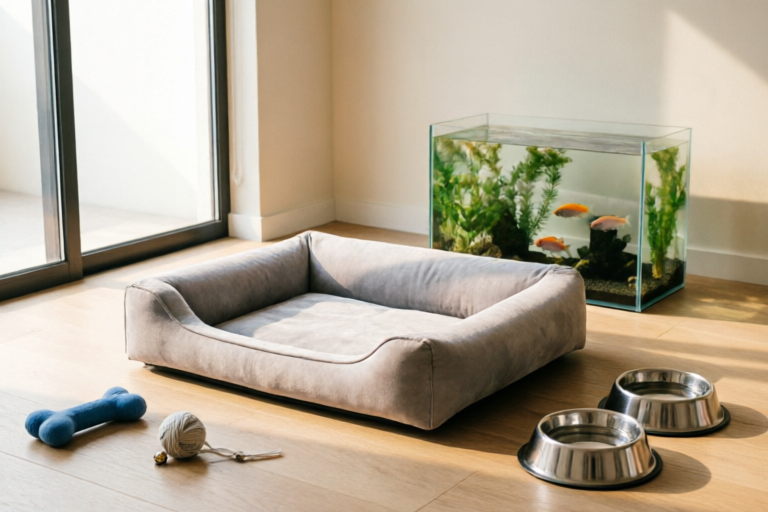
Access to fresh, clean water is essential for your pet's hydration and overall health. Provide multiple water sources throughout your home, especially if you have a large or multi-story house. Choose comfortable, supportive bedding that suits your pet's preferences and ensures proper rest. Regularly wash and replace bedding to maintain cleanliness and comfort.
Conclusion
In conclusion, maintaining your pet's health at home requires a combination of proper nutrition, regular exercise, good hygiene practices, routine veterinary care, and a safe environment. By following the tips outlined in this article, you can ensure that your pet remains healthy, happy, and thriving. Remember that ongoing commitment to your pet's well-being is key. For further reading and support, consider consulting resources provided by reputable animal welfare organizations or your local veterinarian.
Comments

Creating a safe space for my kitten has made such a difference. She's less stressed now!

Our vet visits have been better since we started following this routine. Any suggestions for traveling with pets?

Keeping the house clean really helps with allergies. My cat loves her new litter box setup!

Great article! I've been neglecting my cat's mental stimulation. Puzzle toys sound like fun!

Weeding out harmful ingredients from my dog's food was harder than expected. Any advice on reading labels?

I've started giving my cat some of the recommended supplements and she seems much more energetic. Thanks!
This is so helpful! I've been trying to get my dog more active but finding time is tough. Any tips on quick exercises?