How to Keep Your Pet Healthy: A Beginner's Guide
Healthy Pets, Happy Homes
Introduction to Pet Health Care
Welcome to our comprehensive guide on how to keep your pet healthy! As a pet owner, it is crucial to understand the importance of maintaining your pet's health, common health issues they may face, and the steps you can take to ensure their well-being.
Importance of Maintaining Your Pet's Health
Keeping your pet healthy not only ensures a longer, happier life but also prevents costly medical bills. Regular care and attention can help catch potential health problems early, making treatment more effective and less expensive.
Common Health Issues Faced by Pets
Pets, like humans, are susceptible to various health issues. Some common problems include obesity, dental disease, arthritis, and skin conditions. Being aware of these potential issues can help you take proactive measures to prevent them.
Overview of the Guide’s Content
In this guide, we will cover several key areas of pet care, including nutrition, exercise, veterinary care, and creating a safe and comfortable environment. By following these tips, you'll be well-equipped to provide the best possible care for your beloved pet.
Nutrition and Diet for a Healthy Pet
Proper nutrition is fundamental to your pet's overall health. Understanding their specific dietary needs and providing the right balance of nutrients can significantly impact their well-being.
Understanding Your Pet’s Nutritional Needs
Different pets have different nutritional requirements based on factors such as age, breed, size, and activity level. For example, puppies and kittens need more calories and nutrients to support growth, while senior pets may require fewer calories and more joint-supporting supplements.
Best Practices for Feeding Your Pet
Establishing a consistent feeding schedule is important. Avoid overfeeding or underfeeding your pet, and always follow the feeding guidelines provided by your veterinarian or pet food manufacturer. Additionally, make sure to provide fresh water at all times.
Tips on Choosing Quality Pet Food
When selecting pet food, look for products that list whole meat sources as the first ingredient, avoid artificial preservatives, colors, and flavors, and include essential vitamins and minerals. Consult with your vet for recommendations tailored to your pet’s specific needs.
Regular Exercise and Mental Stimulation
Physical activity is vital for your pet's health and happiness. Regular exercise helps maintain a healthy weight, strengthens muscles and bones, and improves cardiovascular health. Mental stimulation is equally important, as it keeps your pet engaged and prevents boredom-related behaviors.
Benefits of Regular Physical Activity for Pets
Exercise provides numerous benefits beyond physical fitness. It can reduce stress, improve mood, and even enhance cognitive function. Regular playtime also strengthens the bond between you and your pet.
Activities Suitable for Different Types of Pets
Dogs enjoy activities like walking, running, and playing fetch. Cats benefit from interactive toys and climbing structures. Birds thrive on flying and social interaction. Fish require clean water and appropriate tank setups. Tailor your pet's exercise routine to suit their species-specific needs.
How to Incorporate Mental Stimulation into Daily Routines
Mental stimulation can be incorporated through puzzle toys, training sessions, and new experiences. Rotate toys periodically to keep things interesting, and consider introducing new challenges or environments to keep your pet mentally sharp.
Veterinary Care and Preventive Measures
Regular visits to the veterinarian are essential for maintaining your pet's health. Early detection of health issues through routine check-ups can lead to better outcomes and lower costs.
Scheduling Routine Check-Ups with a Veterinarian
Plan annual wellness exams for adult pets and semi-annual exams for puppies and kittens. During these visits, your vet will perform a thorough examination, update vaccinations, and discuss any concerns you may have.
Vaccinations and Parasite Control
Vaccinations protect against serious diseases, while parasite prevention helps keep fleas, ticks, and worms at bay. Follow your vet's recommended vaccination schedule and use appropriate preventive medications year-round.
Identifying Signs of Illness in Pets
Early detection of illness is critical. Watch for changes in behavior, appetite, energy levels, or bathroom habits. If you notice anything unusual, consult your veterinarian immediately.
Creating a Safe and Comfortable Environment
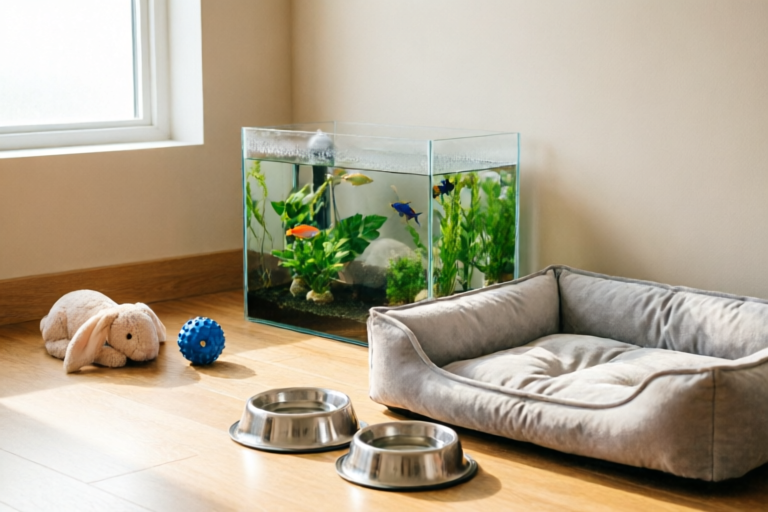
A safe and comfortable living space is essential for your pet's health and happiness. Ensure that your home is free from hazards and provides everything your pet needs to feel secure and content.
Ensuring a Safe Home for Your Pet
Remove toxic plants, secure loose wires, and cover electrical outlets. Install baby gates if necessary to restrict access to certain areas. Ensure that all furniture and decorations are stable and won't topple over.
Providing Proper Bedding and Shelter
Choose comfortable, supportive bedding for your pet. For dogs, consider orthopedic beds or memory foam options. Cats appreciate cozy, soft blankets or enclosed spaces. Ensure that outdoor shelters are weatherproof and provide adequate insulation.
Managing Indoor and Outdoor Hazards
Indoors, keep chemicals, medications, and small objects out of reach. Use child-proof locks on cabinets and drawers. Outdoors, fence off dangerous areas and supervise your pet when they're outside. Be cautious of hot surfaces and extreme temperatures.
Conclusion and Final Tips
Caring for your pet involves a combination of proper nutrition, regular exercise, veterinary care, and a safe environment. By following the tips outlined in this guide, you can help ensure that your pet enjoys a long, healthy, and happy life.
Recap of Key Points Discussed
We've covered the importance of maintaining your pet's health, understanding their nutritional needs, providing regular exercise and mental stimulation, scheduling routine veterinary visits, and creating a safe and comfortable environment. Each of these aspects plays a crucial role in your pet's overall well-being.
Additional Resources for Further Learning
To continue expanding your knowledge, consider reading books on pet care, joining online forums, or attending local workshops. Many veterinary clinics offer educational programs for pet owners.
Encouragement for Ongoing Commitment to Pet Care
Being a responsible pet owner requires dedication and commitment. By staying informed and proactive about your pet's health, you'll be able to provide them with the best possible care throughout their life. Remember, your pet relies on you for their well-being, so give them the love and attention they deserve.
Comments

Love the mental stimulation tips! My dog loves playing hide and seek.

I've been struggling with my rabbit's diet. Any specific foods to avoid?

Creating a safe environment is tough with a small dog. Any ideas for apartment living?

My vet says regular brushing helps with my cat's dental health. Is that true?

We adopted a puppy last month and this guide has been super helpful. Thanks!

Great tips! I'm still unsure about how much exercise my cat really needs. Any advice?
I tried switching my dog's food to the recommended brand and noticed a big difference in his energy levels!