Cat Care
How to Introduce a New Kitten to Your Family Safely
A Peaceful Introduction, Lasting Bond
# How to Introduce a New Kitten to Your Family Safely
Bringing a new kitten into your home is an exciting milestone filled with joy and anticipation. Whether you are expanding a multi-cat family or adopting your first feline friend, the transition period is crucial. However, the arrival of a new companion also brings potential challenges regarding hierarchy, territory, and social dynamics among animals. If handled incorrectly, these introductions can lead to stress, aggression, and long-lasting behavioral issues. Conversely, a well-planned approach can foster deep bonds, playfulness, and mutual comfort between the new kitten and existing pets.
This comprehensive guide dives deep into the psychology of feline interactions and provides practical, step-by-step protocols to ensure your new kitten integrates smoothly into your household. By understanding their need for security and territory, you can navigate this journey confidently and ensure sustainable harmony at home.
## 1. Assessing Needs and Preparing the Home
Before the new kitten even crosses the threshold, preparation is key. Cats are creatures of habit and territory, so disrupting their environment with an intruder requires careful planning. This stage involves gathering necessary supplies and designating a quiet space for acclimation.
### Gathering Necessary Supplies
Having everything ready beforehand ensures that you are not scrambling when the kitten arrives, which reduces stress for both you and the animal. Beyond standard items like food and litter, specific tools aid in the transition.
**Nutritional Basics:** Secure high-quality kitten food appropriate for their age and size. You will also need water and food bowls. If possible, select ceramic or stainless steel bowls over plastic, as these materials are easier to sanitize and less likely to cause chin acne.
**Health and Safety Gear:** A sturdy carrier is essential for transporting the kitten home safely. Additionally, prepare for potential veterinary needs by having your contact information handy for emergencies. If you have existing pets, consider purchasing a universal pet health record form to share with the vet during the initial intake visits.
**Enrichment Tools:** Kittens are energetic explorers. Prepare scratching posts, interactive toys, and climbing structures. These provide outlets for energy and prevent boredom, which can often manifest as aggression towards other pets.
**Pheromone Diffusers:** Products containing synthetic feline facial pheromones (such as Feliway) are invaluable. These mimic the natural scents cats produce when they feel content, creating an atmosphere of security throughout the home. Plug-ins for the safe room and general living areas can significantly reduce anxiety levels.
### Designating a Quiet "Safe Room"
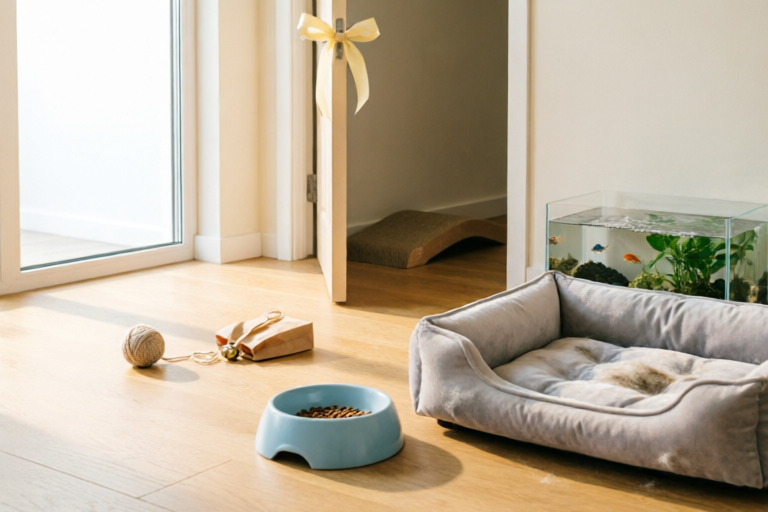
The concept of a "safe room" is central to successful introductions. This should be a small, enclosed space where the kitten can stay away from the rest of the house initially. Ideal choices include a spare bedroom, a bathroom, or a large closet with proper ventilation.
Why is isolation important? It allows the new kitten to decompress without the overwhelming pressure of establishing dominance with adult cats immediately. In this room, the kitten learns that the human presence equals safety and good things. The room should contain:
* **Litter Box:** Placed in a corner distinct from sleeping and eating areas, as cats instinctively avoid eliminating near food sources.
* **Cozy Sleeping Area:** A soft bed or cardboard box lined with blankets helps them feel secure.
* **Water Station:** Fresh water available at all times.
* **Toys and Scratcher:** Keep the environment engaging so the kitten doesn’t become overly reliant on humans for entertainment.
By confining the kitten to this controlled environment, you limit their exposure to the chaos of a multi-pet home while allowing the resident pets to adjust to the new scent coming from the other side of the door slowly.
### Cat-Proofing Your Space
Regardless of whether the kitten stays in the safe room or roams later, ensuring the home is safe is paramount. Kitten proofing involves checking for small objects they could swallow, securing electrical cords, and removing toxic plants. Lilies, for instance, are highly toxic to cats and must be removed entirely. Additionally, ensure that windows and balcony screens are secure, as a curious kitten may try to climb through gaps.
## 2. Implementing a Strict Isolation Protocol
Once the new kitten settles into their safe room, the most critical phase begins: separation. Many new owners make the mistake of allowing immediate access to the whole house, assuming that "getting used to it" will happen quickly. This is often a recipe for disaster.
### Why Separation is Non-Negotiable
Cats rely heavily on their sense of smell to navigate the world. For resident pets, the sudden introduction of a strange odor signals a threat to their territory. Even if the existing pets seem friendly, they might interpret the new kitten as prey or a challenger.
Strict isolation prevents physical conflicts during these volatile early stages. It protects the vulnerable kitten from being bullied, attacked, or stressed out by dominant cats. Furthermore, it is vital for disease control. New kittens often carry illnesses that their immune system has not yet built immunity against, or they may spread contagious conditions like upper respiratory infections or parasites to older cats who have lower immunity due to age.
**Duration Guidelines:** While every case varies, experts generally recommend isolating the new kitten for a minimum of one week to ten days. This window allows for health screenings and gives the resident cats time to get accustomed to the presence of another animal simply through proximity.
### Health Checks Before Integration
Before any scent exchange takes place, the new kitten should undergo a veterinary examination. This ensures there are no underlying health issues that require treatment before meeting the rest of the family. Parasite control (fleas, worms) must be up to date, as these can easily transfer between pets and irritate skin, leading to excessive grooming and aggression.
Vaccinations are also essential. If the kitten has not completed its vaccination series, bringing it into direct contact with other cats carries unnecessary risk. Consult your veterinarian to establish a protocol that aligns with your local region’s disease prevalence and the health status of your existing pets.
### Duration and Signs to Watch For
Do not rush the process based on a calendar alone; observe the behavior of the residents. Are they showing curiosity? Or do they hiss, growl, or hide when the kitten’s scent drifts through the house? If the resident pets are displaying signs of significant stress, extend the isolation period.
Key signs that isolation is working well include:
* Residents sniffing around the door.
* Eating normally despite the noise of the kitten.
* Relaxed posture when walking past the kitten’s area.
* Sleeping through the night without increased anxiety.
If your existing cats are hiding completely under furniture for more than a day, you may need to slow down the scent exchange process further before attempting any visual contact.
## 3. Facilitating Scent Exchange Without Sight
After the initial isolation period, if health checks are clear and behavior suggests readiness, you move to scent swapping. This technique capitalizes on the fact that cats recognize individuals primarily through olfaction rather than vision. Familiarity breeds calmness.
### The Power of Pheromones
As mentioned earlier, using artificial pheromones aids in calming both parties. Place a diffuser in the kitten’s safe room and another in the main living area. This creates a chemical signal that tells the brain of every cat in the house: "You are home; you are safe." Consistent use helps maintain a baseline level of low stress throughout the transition period.
### Swapping Bedding and Toys
Physical objects hold scent strongly. To facilitate mutual recognition without confrontation, take an item from the resident cat’s favorite bed, bedding, or toy, and bring it into the kitten’s safe room. Let the kitten rub against it, sleep on it, or chew on it. Do the same in reverse: put the kitten’s bedding or a towel they have rubbed their face on into the areas frequented by the resident cats.
This method allows both parties to investigate the newcomer’s scent in a non-threatening manner. If a resident cat reacts aggressively (hissing or swatting) when smelling the kitten’s item, do not force them to keep it there. Remove it and try again later after a few hours. Over time, the intensity of the reaction should diminish as the scent becomes associated with routine life events rather than danger.
### Feeding Rituals Near the Door
Food is a powerful motivator. Use mealtime to create positive associations with the kitten’s scent. Feed your resident cats on one side of the closed door and the new kitten on the other side. Start with the dishes far away from the door so they don’t feel threatened immediately. Slowly move the bowls closer to the door over several days.
This conditioning teaches the existing cats that the scent of the kitten means food is arriving. Eventually, the presence of the door (and the kitten behind it) becomes a predictor of positive outcomes rather than a territorial invasion. This psychological shift is fundamental to reducing aggression and hostility later on.
## 4. Conducting Controlled Visual and Physical Meetings
Once scent exchange has progressed smoothly for several days and the resident cats show no signs of aggression toward the swapped items, you can attempt visual introductions. This must still be managed carefully to prevent a negative encounter that could set progress back weeks.
### The First Peek Through Baby Gates
Instead of opening the door fully, install a baby gate or crack the door open just enough to see tails moving behind them. This creates a barrier. Allow the kitten to sit near the gate while the resident cat walks by. Observe body language intently.
Relaxed body language includes:
* Ears forward.
* Tail held high or loosely swishing.
* Blinking slowly.
* Ignoring the other animal.
Aggressive or fearful body language includes:
* Staring intensely.
* Ears flattened sideways or back.
* Tail thrashing or puffed up.
* Hissing, spitting, or growling.
* Arched back.
If you see aggressive postures, immediately block the view. Close the door or raise the gate. Take a step back and spend more time on scent exchange. Rushing this step is the most common reason people fail at introducing cats.
### Reading Cat Body Language
It is impossible to overstate the importance of understanding feline communication. Cats are subtle communicators. A twitching tail tip can indicate irritation before a full blow-up occurs. If a cat stops grooming and freezes, pay attention. If a cat looks away repeatedly (looking at the wall, ceiling, or owner), they are signaling that they want to stop interacting.
When monitoring the visual meetings, look for the "slow blink." If a resident cat looks at the kitten and then slowly closes its eyes, this is a sign of trust and affection. Use this moment to praise them verbally and reward them with treats.
### Supervised Short Interactions
Eventually, the barrier can be lowered or removed completely, provided supervision is constant. Have someone else feed the cats or throw treats to distract them. Keep the sessions short—five minutes max at first.
If play behavior ensues (chasing without biting ears, batting softly with paw pads closed), this is a good sign. However, be ready to intervene immediately if any hissing escalates to swatting that actually hits. Never physically push cats together or punish them for hissing, as punishment increases fear and aggression.
Instead, use distractions like loud clapping hands, throwing a pillow, or spraying water (only in extreme emergency situations) to break the tension and separate them calmly. Return them to their respective areas to reset. Repeat this process daily, gradually increasing the duration of allowed joint time as tolerance builds.
## 5. Ensuring Sustainable Harmony at Home
Integration is not a destination; it is an ongoing process. Once the cats can tolerate each other visually and eventually share a room, you must work towards a stable, harmonious existence. This phase focuses on long-term maintenance and conflict resolution.
### Resource Abundance Management
One of the primary causes of inter-cat conflict is competition for resources. The golden rule of multi-cat households is: **N+1**. This means you need one litter box per cat plus one extra. If you have three cats, provide four litter boxes. Spread them out across different locations in the home so no single cat feels blocked off by another.
Similarly, provide multiple food stations. Place them in separate rooms or corners. This eliminates food guarding behaviors. Water sources should also be abundant; some cats prefer running water, so a fountain can encourage hydration and serve as an additional focal point for sharing spaces peacefully.
### Recognizing Progress and Setbacks
Patience is required. Some pairs of cats become best friends quickly, while others remain respectful strangers for life. Neither is necessarily failure. Success is defined by lack of stress. If your cats eat near each other, sleep in the same room (even if apart), or greet each other politely, you have succeeded.
Be prepared for setbacks. Changes in the household (moving, visitors, renovations) can reignite tensions. If an established dynamic slips back into conflict, revert to the earlier phases of the introduction process. Do not hesitate to restart isolation or scent swapping. Behavior regresses quickly, but rebuilding trust takes time.
### When to Seek Professional Help
Despite your best efforts, some cats may never coexist peacefully due to innate incompatibility or severe trauma. Signs that professional intervention is needed include:
* Frequent bloodshed or severe injury during encounters.
* Constant marking (spraying) that does not improve with environmental changes.
* One cat hiding constantly and refusing to eat.
* Chronic stress symptoms in either cat (excessive shedding, vomiting, urinary issues).
In these cases, consult a certified cat behaviorist or veterinarian. They may recommend medication to manage anxiety temporarily alongside behavioral modification training. There is no shame in seeking help; ensuring the welfare of all animals is the priority.
## Frequently Asked Questions (FAQ)
### Q: Can a kitten and adult cat ever live together?
A: Yes, absolutely. Many households successfully maintain multi-cat families. However, the personality of the adult cat matters greatly. Young kittens are often tolerated better than seniors because they mimic playful behavior without triggering defensive aggression.
### Q: What if my senior cat gets scared of the new kitten?
A: Senior cats have lower energy and may find a kitten overwhelming. Provide the senior cat with "retreat zones" (high perches, separate rooms) where the kitten cannot follow. Respect their boundaries and do not force interactions.
### Q: How long should I wait before letting them roam together?
A: Typically, 2 to 4 weeks of gradual introduction is recommended. However, watch the signs. If aggression persists beyond this timeframe, extend the schedule until tensions subside.
### Q: Should I trim the kitten’s claws?
A: Yes. During play or nervous moments, claws can cause scratches. Keeping them trimmed reduces the risk of injury and pain, making physical interactions safer and less traumatic for all parties.
### Q: Will my resident cat accept treats during introductions?
A: Likely yes, especially if introduced early. Using high-value treats like chicken or tuna can change emotional association. If the cat refuses food, lower the difficulty and try again later.
## Conclusion
Introducing a new kitten to your family safely requires patience, preparation, and empathy. By adhering to a structured protocol involving strict isolation, scent exchange, and controlled visual meetings, you lay the groundwork for peaceful coexistence. Remember that every cat is unique, and timelines will vary. Focus on the long-term goal of sustainability rather than speed. With the right approach, your household can transform into a thriving community where each feline member feels secure, loved, and understood. Take the time to build these bridges of trust, and the rewards of companionship will last a lifetime.
Comments

SilentObserver
My older cat ignored the new one for days then suddenly let her sleep on his leg. So worth the wait.
👍 27👎 0

HappyClaws
Thanks for mentioning separate resources. We didn't know they needed their own bowls initially.
👍 14👎 0

NewbiePetParent
Please update us after the month mark? My patience is wearing thin haha.
👍 17👎 0

FelineLife
Using baby gates was a game changer. Visual only first really helped my golden retriever settle down.
👍 18👎 0

RescueRiley
Mine fought for a week straight 😭. Glad we stuck to the plan though.
👍 5👎 0
DogDadTim
Quick question - does the isolation time count from arrival or from first sight? My cat is already in his cage but the rest of the house smells like cat food.
👍 11👎 0

CatMomJen
Bathroom isolation worked wonders for us. Kept him away for 4 days then swapped socks. Now they're besties.
👍 25👎 0