Dog Care
How to Train Your Dog to Sit Quickly Without Treats
Build Trust, Not Hunger
## How to Train Your Dog to Sit Quickly Without Treats
Training a dog is often seen through the lens of reward systems, where a crunchy biscuit serves as the universal currency for good behavior. However, modern canine psychology suggests that food isn't the only—or even the best—pathway to learning. Many dog owners find themselves struggling with the sheer volume of treats required to maintain a behavior, leading to concerns about their pet’s diet and a nagging feeling that the dog is performing only for the food. This reliance can inadvertently weaken the connection between the command and the action itself, making the dog less responsive when a treat isn’t in sight.
If you are looking to teach your companion to sit quickly and reliably without the crutch of edible bribes, you are embarking on a journey that prioritizes psychological bonding over physiological reward. This method focuses on intrinsic motivation, clear communication, and the natural drive of your dog to connect with their human. Whether you are dealing with a puppy with a sensitive stomach or a senior dog prone to weight issues, non-treat training offers a sustainable, healthy alternative. This guide will walk you through the rationale, preparation, techniques, and troubleshooting necessary to achieve sit-command success without using a single snack.
## Introduction: The Rationale Behind Treat-Free Training
Before diving into the mechanics of training, it is essential to understand why removing food from the equation can lead to superior results in the long run. While treats are incredibly useful tools, especially during the initial association phase of learning, relying on them exclusively creates a potential bottleneck in behavioral reliability.
### Reducing Food Dependency
When a dog sits solely because they see a treat jar shaking, the behavior becomes conditional. They may refuse to perform the action if they believe there is no reward coming. By shifting to treat-free methods, you encourage the dog to look for cues in your voice, posture, and facial expression rather than focusing entirely on your pocket. This creates a more independent thinker who obeys commands out of respect for your leadership and desire to please you, rather than simple hunger management.
### Health Benefits and Weight Management
For many breeds, calorie counting is a critical part of daily management. High-energy dogs require precise nutrition, and accidental overfeeding via dozens of tiny training treats can disrupt this balance over months of practice. Especially in small breeds like Chihuahuas or French Bulldogs, a single bag of treats can equate to a significant portion of their daily caloric intake. Non-treat training eliminates this risk entirely, ensuring that every training session contributes positively to their overall health without adding unnecessary pounds.
### Strengthening the Behavioral Bond
Perhaps the most profound benefit is the strengthening of the relationship. Food is external; trust is internal. When you train without treats, you force yourself to become more observant of what your dog truly values. Does it love belly rubs? Does it adore playing tug-of-war? Does it light up when you say “good boy” with a specific tone? Identifying and utilizing these personal motivators fosters a deeper emotional connection. The dog learns that your attention and approval are rewards in themselves, which builds a resilient partnership that withstands distractions far better than food-based contracts ever could.
## Setting the Scene: Environment and Mindset Preparation
The success of any training endeavor is heavily influenced by the context in which it takes place. Just as a student cannot learn calculus in a noisy construction site, a dog cannot process complex commands amidst chaos. To train without treats, the stakes are effectively higher for your dog’s focus, as there is no tangible lure to keep them engaged. Therefore, setting the stage correctly is vital.
### Choosing the Ideal Location
Start in the quietest room in your house. A living room with a television blaring or a bedroom filled with clutter will compete for your dog’s attention. A carpeted floor is ideal because it absorbs sound and provides stability, preventing slipping anxiety. Avoid areas near windows where birds or squirrels might pass by initially. The goal is low sensory input so that your voice and gestures become the loudest things in the dog’s world. Once your dog masters the skill here, you will systematically introduce mild distractions later, but do not rush this phase.
### Preparing Your Own Mindset
Your demeanor matters immensely. Dogs are highly attuned to micro-expressions and energy shifts. If you feel frustrated, impatient, or rushed, your dog will pick up on this tension and become defensive or distracted. Treat-free training requires heightened patience because you must wait for the dog to offer the behavior voluntarily until you are ready to reward. You must remain consistent in your energy. If you are calm, the dog will settle. If you are frantic, they will scramble. Before beginning, take a deep breath, ensure your phone is silenced, and commit to a ten-minute window where nothing else matters but the dog.
### Timing and Session Length
Short, frequent sessions are always superior to marathon efforts. Aim for three to five minute bursts, spread throughout the day. A tired dog is a dumb dog, but an overly energetic dog is unpredictable. Catch your dog after a brief walk when they are alert but not exhausted. If you push too hard, they will shut down. Keep the atmosphere light and joyful. Remember, if the dog stops trying, it usually means the difficulty level is too high for the current context, not that they aren’t smart enough.
## Technique One: Using Motion and Hand Signals
Once the environment is primed, you move to the core mechanic: guiding the dog physically without food. This relies on the principle of shaping, where you reward small approximations of the final desired behavior. Even though we are excluding treats, we are not excluding physical guidance. Your hand acts as a map, showing the dog exactly where to put its body.
### Understanding Body Language
Dogs communicate primarily through posture and limb movement. Standing tall with confident shoulders signals leadership, while crouching slightly invites engagement. To teach the "sit," you often start from a standing position. Hold your hand open, palm facing down, at your dog’s nose level. Do not close your fist, as that resembles grabbing. Instead, use an open palm gesture to lower your hand gradually towards the floor. The movement should be slow and deliberate. If you jerk your hand, the dog’s head will follow the hand, but their body might stumble instead of tucking neatly into a sit.
### The Physical Lure Method (Without Food)
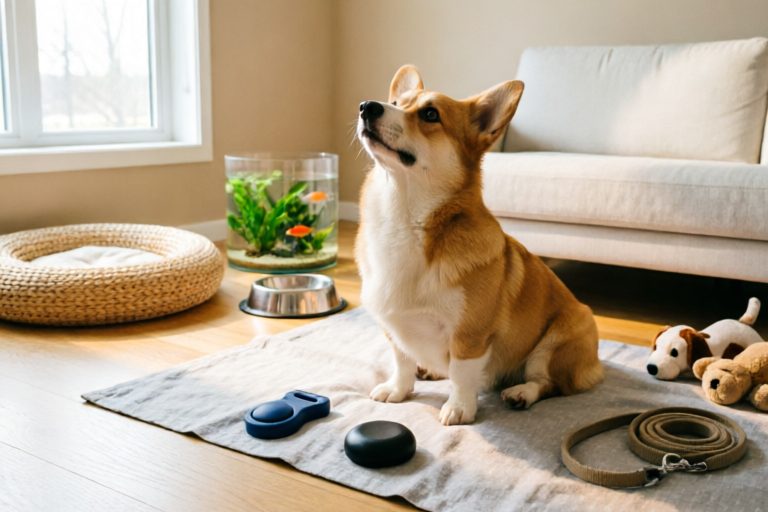
Hold your empty hand directly above your dog’s nose. Move it slowly back over their head and down towards their hindquarters. As their head tracks your hand upward and backward, their bottom will naturally drop to the ground to maintain balance. The moment their hips touch the floor, mark the moment (using a verbal marker like "Yes!" or a clicker if you have one) before you give the primary reward. Note that you do not show a treat in your hand. If the dog looks confused and paws at your hand, simply hide the expectation behind a closed fist momentarily, then resume the motion without offering anything to eat. This teaches them that the signal itself is the information source, not the smell of your fingers.
### Adding the Verbal Cue
Timing is key when introducing the verbal command. Never say “sit” randomly. Say the word clearly and calmly *just as* you begin the hand motion. Over time, the dog will associate the sound of the word with the physical sensation of their body moving into position. Eventually, you will fade the hand signal. Start by giving the verbal command alone. If they don’t respond, provide a subtle hand cue without food, then reward heavily. Consistency ensures that the word "sit" remains the strongest trigger of all.
## Alternative Rewards: Voice Praise, Touch, and Play
If food is removed, the void must be filled by something equally compelling to the individual dog. What works for one breed might fail for another. For some, life revolves around their owner’s voice. For others, physical contact is the ultimate comfort. Still, others are driven by instinctual hunting play.
### The Power of Enthusiastic Verbal Commands
Not all praise is created equal. A flat “Good dog” uttered monotonously is often ignored. Dogs tune out background noise. You must elevate your pitch and vary your intonation. Imagine you are excited about winning the lottery. Say “YES! Good girl!” with a wide smile visible to the dog. This high-arousal vocalization mimics the excitement of catching prey or receiving a massive bonus. Pair this with a distinct sound, like a kissy noise or a clack of the tongue, to create a unique auditory marker. Repetition reinforces this marker. After a few weeks, your dog will recognize the sound as a sign of immediate victory.
### Tactile Reinforcement and Affection
Many dogs crave physical validation. The act of scratching behind the ears, rubbing the chest, or patting the side releases oxytocin, the bonding hormone, in both humans and dogs. This makes tactile reward biologically satisfying. When your dog sits, immediately lean down and scratch them vigorously along the base of the tail or under the chin. Watch their reaction; some dogs will lean into it eagerly, signaling they understand the exchange. Be mindful that not all dogs enjoy being handled after exertion. Test their boundaries. Some prefer a gentle neck scratch, while others need a firm pat. Finding the right pressure and location is part of the discovery process.
### Leveraging Play Drive and Toys
This is perhaps the most effective tool for working dogs, high-energy retrievers, and terriers. If your dog loves their favorite squeaky ball or rope toy, use it as the jackpot reward. You don’t need to give them the treat; give them the opportunity to play. Have the toy ready. When they sit, engage them in a quick game of tug or toss. The anticipation of play triggers the dopamine system just as food does. Importantly, this allows you to keep them engaged longer. You can chain behaviors together (Sit -> Down -> Roll Over) and end with a massive play session, making the effort worth the reward. This turns training into a game, reducing pressure on the learner.
## Addressing Challenges: Handling Distractions and Resistance
Even with a solid plan, challenges will arise. Resistance is common, especially when transitioning away from food. Understanding how to troubleshoot these moments prevents the dog from developing confusion or frustration.
### Managing Environmental Distractions
If your dog breaks position when a door closes or a phone rings, the environment is too stimulating. Immediately lower the criteria. Ask for a simpler behavior or return to the quiet room. Do not scold them; scolding adds negative emotion to the task. Simply reset and try again at a lower difficulty. If you are outdoors, stand closer to the distraction so the dog can ignore it to focus on you. Gradually increase distance as they succeed. Patience here is the difference between progress and regression.
### Dealing with Slow Responses and Confusion
Sometimes a dog understands the command but doesn’t feel compelled to obey. This happens when the alternative reward isn’t perceived as valuable enough by the dog compared to doing something else. Evaluate your reward. Is your toy boring them? Is your praise too quiet? If so, escalate the intensity of the reward. Make the game wilder, the voice louder. Conversely, if the dog seems confused rather than resistant, revisit the shaping steps. Did you move your hand too fast? Was the verbal cue too mumbled? Break the task down. Celebrate smaller wins, like lifting the elbows slightly before expecting the full sit.
### What to Do When Resistance Occurs
Resistance can look like ignoring you, walking away, or lying down stubbornly. In these cases, stop asking for the sit. Turn your back on the dog and wait. Often, dogs seek connection. When you remove yourself (and thus the demand), they may approach you out of curiosity. The moment they come to you, reward them for the interaction. Then, ask for a simple cue once more. If they refuse again, end the session on a positive note. Walking away denies them attention, which is often a greater punishment than they realize. Ending early preserves the dog’s enthusiasm for the next session.
## Conclusion: Establishing Long-Term Reliability
Teaching a dog to sit without treats is not just about a specific trick; it is about establishing a language of mutual understanding. When the crunch of the cookie disappears, the clarity of the conversation increases. You are forced to listen to your dog, and they are forced to listen to you.
### From Practice to Lifelong Habit
The skills learned during these treat-free sessions compound over time. Because you are reinforcing the habit of obedience through social bonds and mental satisfaction rather than just biological urges, the behavior persists even during stressful situations. A dog that sits because they love you will do so when scared by fireworks or overwhelmed by crowds. A dog that sits only for the biscuit will stop when the biscuit is absent or when the fear overwhelms the appetite. This foundation of loyalty makes them safer companions in public spaces.
### Trust and Communication
Ultimately, non-treat training is an investment in trust. It communicates to the dog that your presence is rewarding enough, regardless of material goods. It empowers you to control behaviors anywhere, anytime, without carrying pockets full of kibble. It transforms the dynamic from a transactional deal to a collaborative team effort. By following the steps of preparation, physical guidance, alternative reward systems, and patient troubleshooting, you create a reliable "sit" that stands the test of time. With consistency, your dog will not only know the word “sit,” but they will understand the value of listening to you.
Embark on this journey with optimism. Every dog learns differently, and the timeline varies. Be kind to yourself, celebrate the small victories, and remember that the most potent reward in training is the shared happiness between a human and their four-legged friend. Through these methods, you are not just training a dog to sit; you are nurturing a lifetime of companionship built on respect, fun, and clear communication.
Comments

FurBabyFan
Been using this method for a week and my lab is so much calmer during walks. No more begging for snacks every 5 mins!
👍 10👎 0

SunnySideUp
Honestly struggled a bit. Needed to combine touch and words first before relying on hand signals alone.
👍 9👎 0

RescueDad
Voice praise works wonders for us. High pitch cheering = happy dance from my pit mix. Much easier than hiding food everywhere.
👍 10👎 0

PupMama_K
Question: What if they just walk away ignoring you? My border collie doesn't care about toys right now.
👍 22👎 0
DogLover22
Tried the arm motion trick yesterday! He finally sat on the third try lol. Still working on consistency though.
👍 20👎 0