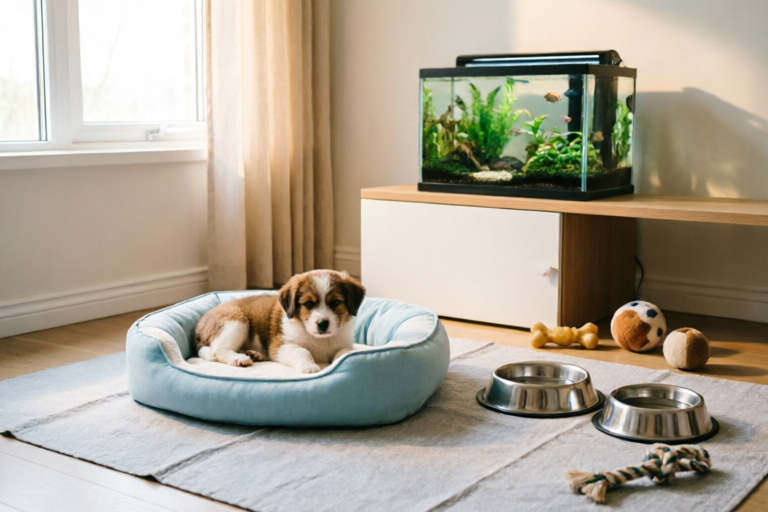
Beginner's Guide to Puppy House Training
Train Your Puppy with Confidence and Patience
Beginner's Guide to Puppy House Training
1. Introduction to Puppy House Training
Understanding the Importance of House Training for Puppies: House training is crucial for integrating your puppy into your home and ensuring they are comfortable and well-behaved. It establishes boundaries and helps your puppy learn where it's appropriate to relieve itself.
Common Challenges Faced by New Puppy Owners: Many new puppy owners face challenges such as inconsistent behavior, lack of control over accidents, and difficulty establishing a routine. These can be frustrating but are entirely normal.
Setting Realistic Expectations and Timelines: It's important to set realistic expectations when it comes to house training. Most puppies can be fully trained within 4-6 months, but some may take longer depending on their breed, age, and individual temperament.
2. Establishing a Routine
Creating a Consistent Schedule for Feeding, Playtime, and Potty Breaks: A regular routine helps your puppy understand what is expected of them. Feed your puppy at the same time each day, and take them outside after meals, naps, and play sessions.
Identifying Signals That Your Puppy Needs to Go Outside: Pay attention to signs that your puppy needs to relieve themselves, such as sniffing around, circling, or whining. Respond quickly to these signals to reinforce the connection between the behavior and going outside.
Choosing the Right Potty Area or Designated Spot: Select a specific outdoor location for your puppy to use as their bathroom. This helps them associate the area with relieving themselves and makes it easier for them to find the correct spot.
3. Positive Reinforcement Techniques
Using Treats, Praise, and Affection to Encourage Good Behavior: Positive reinforcement is key to successful house training. Reward your puppy with treats, praise, and affection when they use the designated potty area. This encourages them to repeat the desired behavior.
The Role of Verbal Cues and Body Language in Training: Use verbal cues like 'go potty' or 'outside' consistently when taking your puppy out. Pair these cues with body language that reinforces the message, such as pointing towards the potty area.
Avoiding Punishment-Based Methods for Effective Training: Punishing your puppy for accidents can lead to fear, confusion, and even regression. Instead, focus on prevention and reward-based training to build trust and confidence.
4. Preventing Accidents Indoors
Understanding Puppy Anatomy and Their Natural Urges: Puppies have smaller bladders and need more frequent trips outside. Understanding their biological needs helps you anticipate when they might need to go.
Keeping an Eye on Your Puppy During Critical Times: Keep a close watch on your puppy during the first few weeks of training. Use baby gates or tethering to keep them in sight if you need to step away momentarily.
Cleaning Accidents Properly to Prevent Recurrence: Clean up accidents thoroughly using pet-safe cleaning products. This removes any lingering scent that could attract your puppy back to the same spot.
5. Troubleshooting Common Issues
Addressing Issues Like Marking, Separation Anxiety, and Night-Time Accidents: If your puppy is marking, it may be due to territorial behavior or anxiety. Separation anxiety can cause accidents when you're not around. Night-time accidents often occur because puppies have smaller bladders. Address these issues with patience and consistency.
Tips for Traveling with Your Puppy and Maintaining House Training: When traveling, bring familiar items like bedding and toys to comfort your puppy. Stick to a routine as much as possible to minimize disruptions.
Seeking Professional Help if Needed: If you're struggling with persistent issues, consider consulting a professional trainer or veterinarian. They can provide personalized advice and support.
6. Conclusion: Patience and Persistence
Reflecting on the Progress Made and Celebrating Small Victories: Celebrate each milestone, no matter how small. Recognizing your puppy's progress builds momentum and strengthens your bond.
Maintaining Consistency as Your Puppy Grows Older: As your puppy matures, continue reinforcing good habits. Consistency is key to long-term success.
Resources for Further Learning and Support: There are many resources available to help you along the way, including books, online forums, and local training classes. Don't hesitate to reach out for additional guidance.
Comments

Seeking professional help was the best decision. They gave me so many useful tips.

My puppy is almost fully trained now. It took time, but it was worth it!

Separation anxiety is real. Does anyone have tips for when you have to leave for work?

Traveling with my puppy was tough at first, but sticking to the routine helped a lot.

I cleaned an accident yesterday but my dog did it again today. What am I missing?
Using treats and praise worked wonders. But how do I stop him from marking inside? Any advice?

This routine stuff really helped! My pup is getting the hang of it. Anyone else dealing with night-time accidents?