Dog Care
How to potty train your new puppy effectively at home
Build Trust, Master Habits: The Gentle Path to Potty Success
**How to Potty Train Your New Puppy Effectively at Home**
## Introduction: Understanding Puppy Behavior and Expectations
Bringing a new puppy into your home is an exhilarating journey filled with tail wags, endless energy, and overwhelming love. However, amidst the joy of cuddles and playtime, one of the most critical responsibilities awaiting a new dog owner is potty training. Also known as housebreaking, this process is fundamental to maintaining a harmonious household and ensuring your puppy’s health and hygiene.
Many first-time owners underestimate the complexity of teaching a dog where to relieve themselves. It is not merely about teaching them where to go; it is about understanding their physical limitations, psychological triggers, and developmental timelines. A puppy does not wake up knowing that the carpet is inappropriate for urination. They operate purely on instinct. Therefore, early training is crucial not just for convenience, but to prevent behavioral issues that can persist into adulthood.
The biological basis of puppy potty training lies in the development of the sphincter muscles and the nervous system controlling bladder and bowel function. At birth, puppies are completely dependent on their mothers for stimulation to eliminate waste. As they age, this self-control gradually develops. Typically, a puppy gains significant bladder control between eight and sixteen weeks of age. Before this milestone, a very young pup may only hold their bladder for their age in months plus one hour. For instance, a two-month-old pup might last three hours. This timeline varies by breed and individual metabolism, which is why patience is your most valuable tool.
Understanding these expectations is the foundation of success. If you expect a four-week-old puppy to stay dry all night, you are setting yourself up for failure and frustration. Consistency is equally vital. Dogs thrive on routine; predictability makes them feel safe. When you establish a consistent schedule, your puppy begins to anticipate when feeding happens, when walks occur, and consequently, when they need to eliminate. This reliability reduces anxiety and accelerates learning.
Furthermore, emotional regulation plays a role. Punishment during accidents creates fear, not understanding. Fear can lead to submissive urination or hiding to eliminate, making the problem worse. Instead, fostering a bond built on trust through positive reinforcement ensures that your puppy wants to please you. By viewing potty training as a communication exercise rather than a chore, you set the stage for a lifelong relationship defined by mutual respect. In the following sections, we will explore the essential preparations, core methodologies, and strategies for managing mistakes to help you navigate this pivotal phase effectively.
## Essential Preparation: Supplies and Schedule Planning
Before you even introduce the concept of “potty time” to your puppy, preparation is key. Successful housebreaking starts in the environment you create and the tools you use. Without the right infrastructure, you are fighting against the odds. This section outlines the necessary checklist and how to construct a schedule that maximizes your puppy’s ability to succeed.
### The Necessities Checklist
Gathering the right supplies beforehand removes friction from the training process. Having everything ready ensures that when the urge strikes, you are immediately equipped to respond.
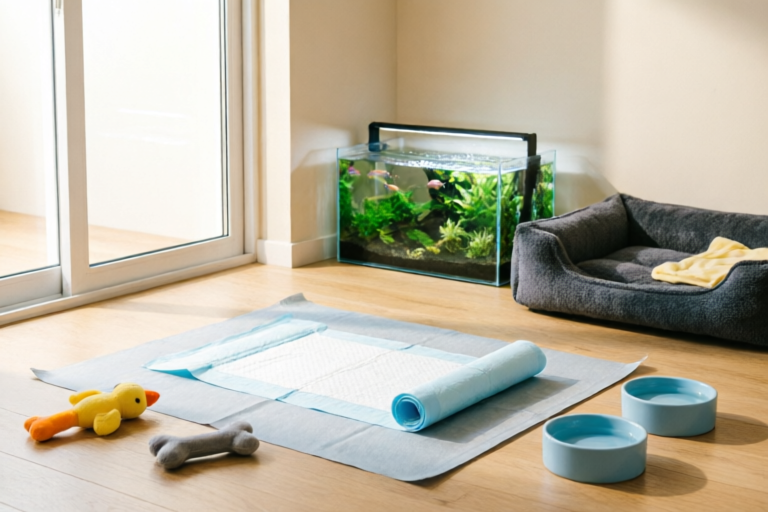
1. **Crate or Exercise Pen:** A crate is not a punishment; it is a den. Dogs are den animals and naturally avoid soiling their sleeping space. Ensure the crate is large enough for the puppy to stand, turn, and lie down comfortably, but not so large that they can sleep in one corner and eliminate in another. If using an exercise pen, define a specific elimination zone using pee pads if training indoors, though outdoor elimination is generally preferred.
2. **Enzymatic Cleaners:** Standard household cleaners often contain ammonia, which smells similar to urine to dogs, attracting them back to the same spot. You must invest in high-quality enzymatic cleaners specifically designed for pet urine. These break down the organic proteins in the waste that regular sprays miss, eliminating the scent marker that encourages repeat offenses.
3. **Clicker or Marker Word:** A clicker or a specific verbal marker like “Yes!” helps bridge the gap between behavior and reward. It pinpoints the exact moment the puppy eliminates, making the association instant.
4. **High-Value Treats:** Use small, soft treats reserved exclusively for potty training. High-calorie treats are great for meals, but for training, small bits of boiled chicken, cheese, or commercial training rewards work best because the excitement factor is high without filling them up.
5. **Leash and Collar:** Even if the yard is enclosed, leash the puppy every time you take them outside. This teaches them that “outside means business,” not playtime. It prevents distraction and keeps focus on the task of elimination.
6. **Timer:** Puppies live in the present. Humans need reminders. Set recurring alarms on your phone to ensure you do not forget to take the puppy out after sleep or meals.
### Establishing a Strict Timetable
Consistency is king. The most effective way to teach bladder control is to dictate the schedule until the puppy’s body adapts. A rigid routine minimizes accidents because the puppy learns to anticipate the schedule.
A typical daily schedule for a puppy under six months involves taking them out frequently:
* **Upon Waking:** Take the puppy out immediately after waking from a nap or overnight sleep. The first opportunity of the day is the highest priority.
* **After Meals:** Digestion triggers the gastrocolic reflex. Most puppies need to eliminate within 15 to 30 minutes after eating or drinking. Always accompany them to the bathroom spot after meals.
* **After Play Sessions:** Vigorous activity stimulates elimination. After a good romp, a quick trip outside is mandatory.
* **Every 1 to 2 Hours:** Between the major events, take the puppy out on a regular interval. This preempts the urge.
* **Before Bed:** Do not feed water 2 hours before bedtime to reduce overnight accidents, but offer a final outing right before closing the crate for the night.
This schedule may seem restrictive, but it builds muscle memory. Over time, the intervals can stretch as the puppy matures. During meal planning, try to stick to consistent feeding times rather than free-feeding (leaving food out all day). Scheduled meals lead to predictable poops and easier toilet management. Additionally, track intake and output. Keeping a log for the first week can reveal patterns, such as a specific time of day when accidents are most frequent, allowing you to adjust your vigilance accordingly.
## Core Training Methods: Routine and Reinforcement
With your supplies gathered and schedule established, it is time to implement the actual training methods. The goal here is to build a strong neural pathway connecting the act of going to the toilet with the location outside. We use three pillars: Routine, Cue Words, and Immediate Reinforcement.
### Step-by-Step Outdoor Protocol
The transition from indoors to outdoors needs to be seamless. When you notice your puppy showing signs of needing to go, or when it is a scheduled time, grab the leash and head to the designated “bathroom zone.” Keep conversations minimal. Do not stop to sniff flowers or walk around the garden yet. Let them know it is time for business first.
1. **Lead Them Directly:** Walk straight to the grass patch or pad. Lead them there on a loose leash. If they pull away, do not drag them; gently encourage them, but try to minimize walking distance so they aren’t distracted before they go.
2. **Give Space:** Once at the spot, let them sniff. Allow them a moment to assess their surroundings. If they hesitate, stand still and wait. Sometimes the presence of an owner standing nearby can cause performance anxiety. Step aside a bit, but remain visible.
3. **Patience:** Some puppies take longer than others. Wait up to five minutes. If nothing happens, bring them back inside and put them in the crate or exercise pen for 15 minutes. This reinforces the idea that access to freedom requires a successful bathroom break. Try again immediately after the timeout.
4. **The Cue Word:** As soon as the puppy begins to squat and eliminate, say your chosen cue word clearly. Good options are “Go potty,” “Hurry up,” or “Do your business.” Use the same word every single time. Eventually, your puppy will associate this sound with the action, allowing you to prompt them faster in future trips.
### Positive Reinforcement and Timing
Timing is everything in dog training. The reward must happen within seconds of the behavior finishing. If you wait until you get back inside to give a treat, the puppy will associate the treat with entering the house, not peeing outside. As they finish, mark the behavior with a click or the word “Yes!” immediately, then toss the treat outside or right there in front of them.
Use enthusiastic praise. Dogs are social animals and crave your approval. A happy voice and a wagging tail signal that you are pleased. This combination of praise and food creates a powerful motivational loop. They will think, “If I do this, my human gets excited, and I get a snack. That sounds like the plan!"
As the puppy succeeds, gradually increase the value of the environment. Start in quiet areas of the yard. Once reliable, practice in busier locations to generalize the behavior. Remember to keep sessions short. Ten minutes of focused training is better than an hour of frustration.
### Nighttime Considerations
Potty training doesn’t pause at night. Overnight, the puppy’s bladder fills while they sleep. For a young pup, they will likely need to go at least once during the night. When the alarm goes off, move efficiently. Do not turn on lights, do not talk, and do not engage in play. Go straight to the bathroom spot in the dark, let them go, treat quietly, and return them to bed. This signals that night time is for sleeping, not partying. Gradually extend the duration they sleep through as their capacity grows.
## Managing Mistakes: Cleaning and Correcting Accidents
Despite your best efforts, accidents will happen. In fact, they are expected. They are part of the learning curve. How you handle these incidents determines the long-term success of the training. The golden rule of accident management is: **Never punish.**
### Why Scolding Fails
It is tempting to scold a puppy caught in the act of urinating on your rug. However, research and behavioral science show that this is counterproductive. Dogs live in the moment. If you yell at a puppy ten minutes after they made a mess, they do not connect the anger to the wet spot on the floor. They simply connect your anger to your presence. This can lead to fear of eliminating in front of you, causing them to hide under the sofa or run away when they see you coming, which makes supervision harder.
Furthermore, rubbing a puppy’s nose in their waste (an outdated technique) damages trust. It creates a negative association with the owner, not the location of the waste. If an accident occurs, the best response is neutral. Ignore the cleanup behavior and focus on preventing the next one.
### Proper Cleaning Techniques
If the smell remains, the puppy will return to the spot. Regular cleaners may clean the surface but fail to break down the odor molecules embedded deep in fibers or carpet padding. This is why enzymatic cleaners are non-negotiable.
To use them correctly:
1. **Blot First:** Soak up as much liquid as possible with paper towels. Do not rub, as this pushes the urine deeper.
2. **Apply Enzyme Solution:** Pour the cleaner generously over the stain. It must soak deep enough to neutralize the source of the odor, not just the surface.
3. **Wait:** Let the enzyme work. Some products require air drying for several hours or days for the biological breakdown to complete.
4. **Avoid Steam Cleaners:** Heat can sometimes set protein odors permanently. Avoid steam cleaning until you are sure the biological markers are gone.
Recognizing Pre-Potty Signals is your second line of defense. While accidents happen, recognizing the warning signs allows you to intervene. Look for sudden stops in movement, frantic sniffing near the floor, circling, restlessness, pacing, or heading towards the door. Some puppies will sit down abruptly. Catching the behavior early allows you to quickly scoop them up and dash outside, turning a potential accident into a success story.
### Addressing Regression
Regression can occur due to illness, stress, changes in routine, or hormonal shifts (especially in females). If a previously trained puppy starts having accidents, consider if something has changed in their environment or health. Medical issues like Urinary Tract Infections (UTIs) can cause urgency or incontinence. If the regression persists despite behavioral fixes, consult a veterinarian immediately to rule out medical causes.
## Conclusion: Patience and Long-Term Maintenance
The journey of potty training your new puppy is a marathon, not a sprint. As you reach the conclusion of this guide, remember that consistency and patience are your greatest assets. There will be days when progress feels slow, and nights that test your endurance. These moments are normal. Every single success, no matter how small, brings you closer to a fully housetrained companion.
Timeline for full bladder control can vary widely. While many puppies are reliably potty trained by six months, some larger breeds may take up to a year to fully mature their bladder capabilities. Accepting this range prevents unnecessary disappointment. Avoid regression by maintaining the schedule as much as possible even after your dog seems trained. Sudden holidays, visitors, or moves can disrupt habits. Revert to basic rules temporarily to reinforce expectations.
Strengthening the bond through successful communication is the ultimate reward of this process. When you understand your puppy’s cues and respect their biological rhythm, you communicate without words. This shared language fosters trust. Your home becomes a sanctuary where everyone knows what to expect.
Finally, celebrate the victories. Whether it’s the first time they went in the rain, or staying dry through the entire night, acknowledge the effort. Praise your puppy and pat yourself on the back. With the right supplies, a solid schedule, positive reinforcement, and forgiving eyes toward mistakes, you are well-equipped to master the challenge of potty training. Welcome to parenthood—four-legged edition!
Comments

patient_paws
week 4 here and still having bad nights but progress is slow so im taking it
👍 17👎 0
bark_buddy_101
my dog learned the word quickly but now comes running back inside whenever he goes outside help
👍 13👎 0

cleanfreak_k
enzymatic cleaner saved us, regular detergent didn't get the scent enough
👍 21👎 0

dogdad_dave
does the crate size matter? mine tries to pee in it too big of a space?
👍 10👎 0
tiredpuppymom
just started the routine today and honestly already tired lol hope i can stick with it!
👍 18👎 0