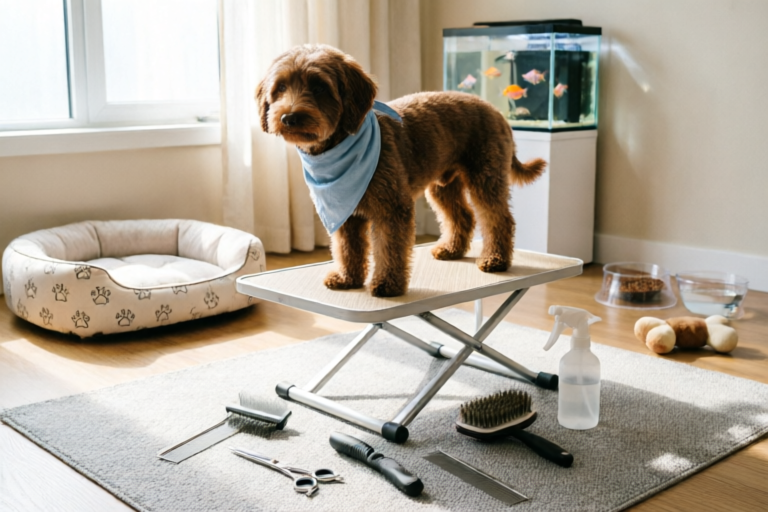
How to Groom Your Dog at Home Efficiently
Efficient Dog Grooming at Home
Introduction to Dog Grooming at Home
Importance of Regular Grooming for Your Dog's Health and Hygiene:
Regular grooming is essential for maintaining your dog's health and hygiene. It helps prevent skin issues, reduces shedding, and keeps your pet looking and feeling their best. By grooming your dog at home, you can also strengthen the bond between you and your furry friend.
Benefits of Grooming Your Dog at Home vs Professional Grooming Services:
- Cost-effective: Home grooming saves money compared to frequent visits to professional groomers.
- Convenience: You can schedule grooming sessions at your convenience, avoiding long wait times.
- Customization: Tailor the grooming experience to your dog's specific needs and preferences.
Tools and Supplies Needed for Effective Home Grooming:
- Brushes: Slicker brush, pin brush, and bristle brush.
- Shampoo and conditioner: Hypoallergenic, pH-balanced products.
- Nail clippers and grinder: For safe nail trimming.
- Toothbrush and toothpaste: For dental hygiene.
- Eyedrops and ear cleaner: To maintain ear and eye health.
Pre-Grooming Preparation
Creating a Comfortable and Safe Grooming Environment:
Choose a quiet, well-lit space free from distractions. Lay down a non-slip mat and have all necessary supplies within reach. Ensure the room is warm to prevent your dog from getting cold during the grooming process.
Bathing Your Dog: Choosing the Right Shampoo and Bathing Technique:
Select a hypoallergenic, pH-balanced dog shampoo that suits your dog's skin type. Avoid human shampoos, as they may be too harsh. Use lukewarm water and gently massage the shampoo into your dog's coat, paying special attention to the underbelly and behind the ears. Rinse thoroughly to remove all soap residue.
Trimming Nails: Proper Tools and Techniques for Safe Nail Trimming:
Use appropriate nail clippers or a grinder for your dog's size and breed. Trim only the tip of the nail, avoiding the quick (the blood vessel inside the nail). If you accidentally cut the quick, apply styptic powder to stop bleeding. For safety, trim nails in short intervals to avoid overwhelming your dog.
Brushing and Detangling Fur
Types of Brushes Suitable for Different Dog Breeds:
- Slicker brush: Best for removing loose fur and tangles in medium to long-haired breeds.
- Pin brush: Ideal for smooth-coated dogs like poodles.
- Bristle brush: Good for short-haired breeds like terriers.
Techniques for Removing Tangles and Mats in Your Dog's Fur:
Start by separating the tangled fur with your fingers. Use a slicker brush or comb to work out the tangles, moving in the direction of hair growth. Be gentle to avoid pulling on your dog's skin. For severe matting, consider seeking professional help to avoid causing pain or discomfort.
Maintaining a Healthy Coat Through Regular Brushing:
Brush your dog regularly to distribute natural oils throughout the coat, promote circulation, and prevent matting. The frequency depends on your dog's breed and coat type. Long-haired breeds may require daily brushing, while short-haired breeds can be brushed once or twice a week.
Cleaning Ears and Eyes
Identifying Signs of Ear Infections or Eye Irritations:
- Ear infection signs: Redness, swelling, discharge, or a foul odor.
- Eye irritation signs: Redness, discharge, squinting, or pawing at the eyes.
If you notice any of these symptoms, consult your veterinarian before attempting to clean the affected areas.
Proper Methods for Cleaning Ears and Eyes Without Causing Discomfort:
For ears, use a cotton ball dipped in a gentle ear-cleaning solution to wipe the outer ear canal. Avoid inserting anything into the ear canal to prevent damage. For eyes, use a damp cloth to gently wipe away any discharge around the eyes. Never use human eye drops or solutions, as they may be too strong for your dog's eyes.
Preventative Care Tips to Keep Ears and Eyes Healthy:
- Check ears and eyes weekly for signs of infection or irritation.
- Keep your dog's face dry after bathing to prevent moisture buildup in the ears.
- Trim hair around the ears and eyes to prevent matting and irritation.
Managing Hair Around Sensitive Areas
Special Considerations for Grooming Around the Eyes, Nose, and Genital Area:
These areas are delicate and require extra care. Use blunt-nosed scissors or electric clippers designed for close trimming. Be extremely cautious to avoid cutting the skin or causing discomfort.
Gentle Techniques for Trimming Hair in Sensitive Areas:
Start by using scissors to trim excess hair around the eyes and nose. For the genital area, use electric clippers set on a low setting to avoid irritation. Always check the skin for redness or irritation after grooming.
Ensuring Comfort and Safety During These Delicate Grooming Sessions:
Speak calmly to your dog and offer treats to keep them relaxed. If your dog becomes anxious or uncomfortable, take breaks and proceed slowly. Consider consulting a professional groomer if you're unsure about handling these areas safely.
Post-Grooming Care and Maintenance
Final Checks After Grooming to Ensure Your Dog is Clean and Comfortable:
After grooming, check your dog for any signs of discomfort or irritation. Ensure all areas are clean and free from mats or tangles. Offer a treat or playtime to reward your dog for their cooperation.
Tips for Maintaining Your Dog's Grooming Routine Between Sessions:
- Brush your dog regularly to prevent matting.
- Check ears and eyes weekly for signs of infection or irritation.
- Trim nails every few weeks to avoid overgrowth.
Summary of Key Points and Encouragement for Consistent At-Home Grooming Practices:
Grooming your dog at home is a rewarding way to maintain their health and hygiene while strengthening your bond. With the right tools, techniques, and patience, you can provide your dog with a comfortable and enjoyable grooming experience. Remember to be gentle, patient, and observant during each session. Consistency is key to keeping your dog looking and feeling their best.
Comments

I've been grooming my dog at home for a while now. It's definitely cheaper than going to the groomer but takes a lot of time.

Great article! I'm still not sure about trimming around the eyes though. Any more tips?
I've been using the ear cleaning method and my dog's ears look healthier. Is there anything else I should be doing to prevent infections?
My dog hates baths. Any advice on making it less stressful for both of us?

I used the brush technique you mentioned and my dog's fur looks so much better! Thanks for the tips!

Just tried trimming my dog's nails at home. It was a bit tricky but I think I got the hang of it. Anyone else struggle with this?