How to Groom Your Dog at Home
Grooming Made Easy: Keep Your Dog Healthy and Happy at Home
1. Introduction: Why Grooming Your Dog at Home is Important
Grooming your dog at home can be a rewarding experience that not only keeps your pet looking and feeling great but also strengthens the bond between you and your furry friend. In this article, we'll explore the benefits of home grooming, the basic tools you'll need, and step-by-step instructions for each grooming task.
The Benefits of Grooming Your Dog at Home
- Cost Savings: Professional grooming can be expensive. By grooming your dog at home, you can save money on frequent visits to the groomer.
- Bonding Time: Grooming sessions provide an opportunity for you to spend quality time with your dog, building trust and strengthening your relationship.
Basic Tools and Supplies Needed for Effective Home Grooming
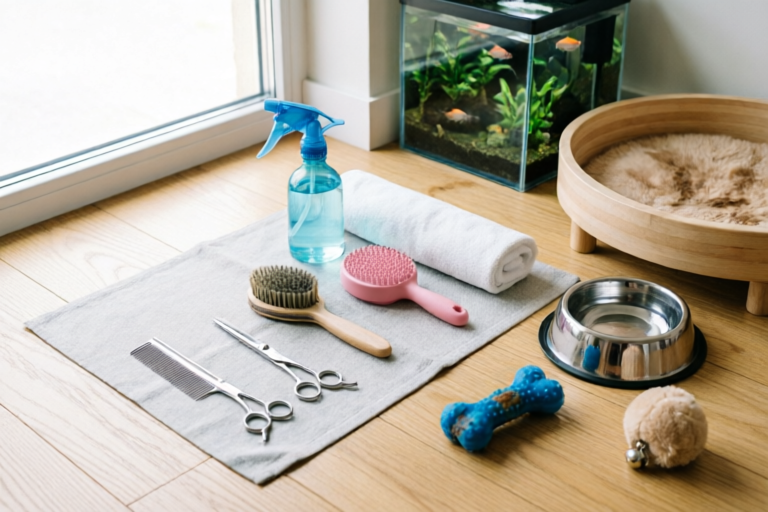
- Brushes (pin brush, slicker brush, comb)
- Dog shampoo and conditioner
- Nail clippers
- Ear cleaner and cotton balls
- Towel and washcloth
- Toothbrush and toothpaste
2. Pre-Grooming Preparation
Before you begin grooming your dog, it's important to create a comfortable and safe environment and understand your dog's specific grooming needs.
Creating a Comfortable and Safe Grooming Environment
- Choose a quiet area away from distractions.
- Ensure the temperature is comfortable for both you and your dog.
- Use non-slip mats if necessary.
Understanding Your Dog's Coat Type and Specific Grooming Needs
- Short-haired dogs require less frequent brushing but still benefit from regular baths.
- Long-haired dogs may need more frequent brushing to prevent matting.
- Double-coated dogs, like golden retrievers, may shed more and require special attention during shedding seasons.
3. Bathing Your Dog Properly
Bathing your dog at home is an essential part of their grooming routine. Follow these step-by-step instructions to ensure a successful bath.
Step-by-Step Instructions for Giving Your Dog a Bath at Home
- Prepare the area: Fill a tub or sink with warm water and add a small amount of dog shampoo.
- Wet your dog: Use a showerhead or pitcher to wet your dog thoroughly, avoiding the eyes, ears, and nose.
- Lather up: Apply shampoo, working it into a lather over your dog's body, paying extra attention to areas prone to odor.
- Rinse thoroughly: Ensure all shampoo is rinsed off, as residue can irritate your dog's skin.
- Dry your dog: Towel dry your dog and use a blow dryer on a low setting if necessary.
Tips for Using Appropriate Shampoos and Conditioners Based on Your Dog’s Skin Type
- For dogs with sensitive skin, choose hypoallergenic shampoos.
- For dogs with oily skin, opt for medicated shampoos that help control oil production.
- For dogs with dry skin, use moisturizing shampoos and conditioners.
4. Brushing and Detangling Fur
Regular brushing helps remove loose hair, prevent matting, and distribute natural oils throughout your dog's coat. Learn the best techniques for brushing different types of coats and how to detangle knots and mats safely.
Techniques for Brushing Different Types of Coats
- Short-haired dogs: Use a pin brush or rubber curry brush to remove loose hair.
- Long-haired dogs: Start with a wide-tooth comb to gently work through tangles, then use a slicker brush to smooth the coat.
- Curly-haired dogs: Use a slicker brush or pin brush to prevent matting.
How to Effectively Detangle Knots and Mats Without Causing Pain or Discomfort
- Start by spraying a detangling spray or water to loosen the knot.
- Work from the bottom of the knot upward, being gentle to avoid pulling on your dog's skin.
- If the knot is too severe, consider taking your dog to a professional groomer.
5. Trimming Nails and Cleaning Ears
Trimming nails and cleaning ears are crucial steps in maintaining your dog's overall health and hygiene.
Safe Methods for Trimming Nails and Avoiding Bleeding
- Use a dog nail clipper or grinder designed for pets.
- Trim only the tip of the nail, avoiding the quick (the blood vessel inside the nail).
- Stop immediately if you hear a click or see blood, as this indicates you've cut too close to the quick.
Instructions for Cleaning Ears to Prevent Infections
- Use a vet-approved ear cleaner and cotton balls.
- Gently wipe the outer ear canal, removing any dirt or debris.
- Avoid inserting anything into the ear canal.
6. Finishing Touches and Maintenance
After completing the grooming process, there are a few final touches and maintenance tips to ensure your dog stays healthy and looks their best.
Final Grooming Tips to Keep Your Dog Looking and Feeling Great
- Check for ticks and fleas after bathing.
- Inspect your dog's skin for any signs of irritation or infection.
- Brush your dog's teeth regularly to promote dental health.
A Schedule for Regular Grooming to Maintain Your Dog's Health and Appearance
- Brush your dog's coat daily or every other day.
- Bathe your dog every 4-8 weeks, depending on their activity level and coat type.
- Trim nails every 4-6 weeks.
- Clean ears monthly or as needed.
Conclusion: Recap of Key Points and Encouragement for Consistent Home Grooming Practices
Grooming your dog at home is a valuable skill that can save you money and strengthen your bond with your pet. By following the steps outlined in this guide, you can ensure your dog remains healthy, happy, and well-groomed. Remember to be patient, stay consistent, and enjoy the process of keeping your furry friend looking and feeling their best.
Comments

Does anyone have experience with electric clippers? I'm scared of cutting too close.

My dog hates baths but after trying the shampoo tips, he calms down more easily.

I've been doing this for a month now and it's saved me a lot of money. Great tips!

I followed the ear cleaning steps and my dog's ears smell much better now. Thanks!

Same here! My poodle gets so tangled that I'm not sure if brushing helps anymore. Any advice?
Any tips for trimming nails? My dog freaks out every time I try.

I tried the bath part with my golden retriever and it went much smoother than I expected! The conditioner really made his fur soft.