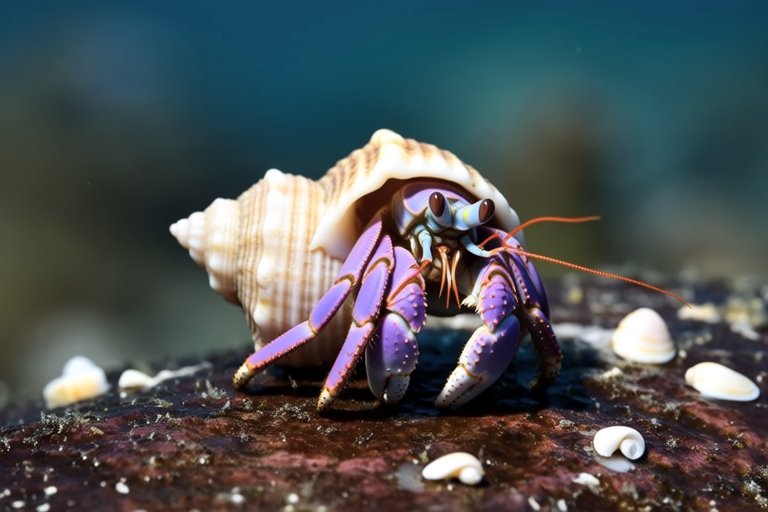
From Seashore to Shelf: A Journey into the World of Hermit Crabs
Hermit crabs are fascinating creatures that have captured the imagination of both marine biologists and pet enthusiasts alike. These crustaceans have adapted uniquely to their seashore environments, living within discarded shells to protect their soft abdomens. Their intriguing lifestyle makes them a popular choice for exotic pet owners, but before bringing one home, it’s essential to understand their needs and behaviors in their natural habitats.
The Natural Habitat of Hermit Crabs
Hermit crabs are predominantly found along coastlines around the world, from tropical beaches to rocky shores. They prefer sandy or muddy substrates where they can burrow and search for food. The most common species, Coenobita clypeatus, known as the Caribbean hermit crab, thrives in warm climates, typically between 70°F and 85°F (21°C to 29°C). Their habitat includes mangrove swamps, coral reefs, and intertidal zones.
These crabs are omnivorous, feeding on algae, decaying plant matter, and small invertebrates. In the wild, they play a crucial role in recycling nutrients within their ecosystems. Hermit crabs are also scavengers, contributing to the overall health of their environments by breaking down organic material.
Socially, hermit crabs are quite interactive. They often gather in large groups, especially during the night, to explore and forage together. Despite their name, hermit crabs are far from solitary; they frequently interact with each other, exchanging shells, and even helping injured members of their community.
Adapting to Life as a Pet
When considering a hermit crab as a pet, it’s vital to replicate their natural environment as closely as possible. The first step in setting up their tank is providing a suitable substrate, typically a mix of sand and coconut fiber. This substrate should be moistened to maintain humidity levels between 70% and 80%. Proper humidity is critical as it prevents desiccation and allows the crabs to moult successfully.
One of the most important elements of a hermit crab’s habitat is the availability of appropriate shells. Hermit crabs outgrow their shells and need to replace them regularly. Providing a variety of sizes and shapes ensures that each crab can find a comfortable fit. Shells should be cleaned thoroughly before introduction to the tank to prevent the spread of bacteria or parasites.
Water conditions are equally crucial. Hermit crabs require both fresh and saltwater sources. Freshwater dishes should be shallow and changed regularly to avoid bacterial growth. Saltwater dishes should mimic the salinity of their natural habitats, approximately 1.020 to 1.025 specific gravity.
Selecting Healthy Hermit Crabs
When purchasing hermit crabs from pet stores or online retailers, look for signs of good health. Healthy crabs are active, moving around their enclosure and interacting with their surroundings. Their shells should be clean and free of cracks or damage. Additionally, check the antennae for any signs of discoloration or deformity, which could indicate poor health.
Avoid crabs that appear lethargic, have difficulty moving, or exhibit signs of distress. It’s also wise to quarantine new crabs for a few weeks to monitor their health and ensure they don’t introduce any diseases to your existing colony.
Myths and Facts About Hermit Crab Care
There are several misconceptions surrounding hermit crab care. One common myth is that hermit crabs require little attention. While they may seem low-maintenance, they still need proper care, including regular cleaning of their habitat and monitoring of environmental conditions.
Another myth is that hermit crabs can live indefinitely without changing their shells. In reality, they must periodically change shells as they grow. Owners should provide a variety of sizes and types to accommodate this natural behavior.
Scientifically backed facts include the necessity of maintaining proper humidity levels and the importance of offering a varied diet. Hermit crabs benefit from a diet rich in fruits, vegetables, and proteins. Feeding them a balanced diet helps support their immune systems and promotes longevity.
The Rewards of Hermit Crab Ownership
Owning hermit crabs can be a deeply rewarding experience. These creatures are captivating to watch, and their interactions with each other offer endless entertainment. Hermit crabs are relatively easy to care for, making them an excellent choice for beginners or those looking for a low-maintenance pet.
Responsible pet care involves understanding and meeting the needs of hermit crabs. By providing a well-maintained habitat and a balanced diet, owners can ensure their pets live long, healthy lives. The joy these creatures bring cannot be overstated. Watching them scuttle about their enclosure, engage in playful activities, and interact with each other creates a bond that is both unique and fulfilling.
In conclusion, hermit crabs are more than just curious creatures; they are fascinating pets that offer companionship and joy. By learning about their natural habitats and adapting their care accordingly, owners can create a thriving environment for these delightful crustaceans. With proper care and attention, hermit crabs can bring years of happiness and fascination to their human families.
