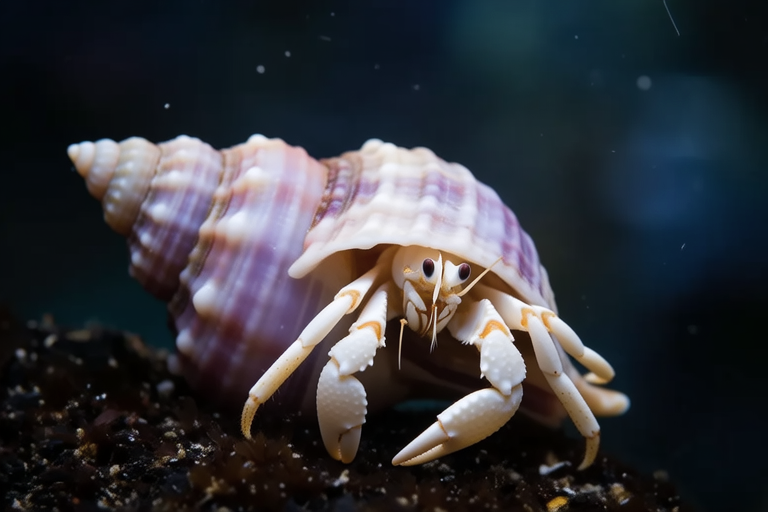
The Pea Crab: A Tiny Marvel of the Ocean
The pea crab (Pinnotheres ostreum) is one of the smallest ocean dwellers, known for its unique adaptations and symbiotic relationships within its marine environment. This article delves into the physical characteristics, habitat, diet, and survival strategies of the pea crab, highlighting its ecological significance and the importance of conserving these tiny creatures.
Physical Characteristics
The pea crab is named for its resemblance to a pea, typically measuring less than 1 centimeter in length. Its body is oval-shaped and flattened, allowing it to fit snugly within the protective crevices of its host. The carapace, or shell, is soft and pliable, enabling the crab to adjust its shape to accommodate growth without the need for molting. The pea crab’s coloration ranges from pale yellow to brown, often blending in with the tissues of its host, providing camouflage against predators.
Pea crabs have five pairs of legs, each adapted for specific functions. The first pair of legs, known as chelipeds, are equipped with pincers used for defense and feeding. The remaining four pairs are used for walking and swimming. Their eyes are small and positioned on short stalks, offering limited vision but sufficient for detecting nearby threats. The antennae, located on either side of the head, serve as sensory organs, helping the crab navigate its surroundings and locate food.
Habitat and Diet
Pea crabs inhabit shallow coastal waters, typically found in estuaries, mudflats, and seagrass beds. They are commonly associated with bivalve mollusks, such as oysters, clams, and mussels, which serve as their primary hosts. These crabs can also be found living inside sea anemones, sponges, and even sea cucumbers, forming complex symbiotic relationships with their hosts.
The diet of the pea crab primarily consists of plankton, detritus, and small organisms that are filtered from the water by their hosts. They also consume the host’s waste products, contributing to nutrient cycling within the marine ecosystem. Pea crabs are opportunistic feeders, adapting their diet based on the availability of resources within their environment.
Unique Adaptations for Survival
One of the most remarkable adaptations of the pea crab is its ability to live in harmony with its host without causing harm. The crab’s soft, pliable carapace allows it to grow alongside the host, expanding as the host does. This adaptation ensures that the pea crab remains protected while minimizing competition for resources. Additionally, the crab’s small size and ability to blend in with its host’s coloration provide effective camouflage against potential predators.
Pea crabs have also developed specialized mouthparts that enable them to filter-feed on plankton and detritus. These mouthparts, called maxillipeds, are modified appendages that help the crab capture and process food particles. This adaptation allows the pea crab to efficiently extract nutrients from its environment, ensuring its survival in the competitive marine ecosystem.
Symbiotic Relationships
The pea crab forms symbiotic relationships with various sea creatures, including sea anemones and sponges. In these relationships, both the pea crab and its host benefit from each other’s presence. For example, the pea crab provides protection for the anemone or sponge by deterring predators, while the host offers shelter and a source of food. The crab may also assist in cleaning the host by removing parasites and debris.
In some cases, the pea crab may form a mutualistic relationship with its host, where both organisms benefit equally. For instance, the pea crab may aid in the reproduction of its host by facilitating the release of eggs or larvae. In return, the host provides the crab with a safe haven and a steady supply of food. These symbiotic relationships highlight the interconnectedness of marine ecosystems and the importance of maintaining biodiversity.
Ecological Role
Pea crabs play a crucial role in their marine environment, contributing to nutrient cycling and maintaining the balance of their ecosystem. By consuming plankton, detritus, and small organisms, they help regulate population sizes and prevent overgrazing of resources. Additionally, their symbiotic relationships with hosts contribute to the overall health and stability of the marine community.
The presence of pea crabs within their ecosystem also serves as an indicator of environmental health. Changes in the abundance or distribution of pea crabs may signal shifts in the broader marine environment, such as alterations in water quality or the introduction of invasive species. Understanding the ecological role of pea crabs is essential for monitoring and preserving the health of our oceans.
Reproduction and Lifecycle
The reproduction of pea crabs is a fascinating aspect of their biology. Mating typically occurs during the summer months when water temperatures are warmest. Male pea crabs use chemical signals, known as pheromones, to attract females. Once a mate has been selected, the male transfers sperm to the female, who then stores it until she is ready to fertilize her eggs.
Egg-laying takes place in the fall, with the female attaching her eggs to the underside of her abdomen. She carries the eggs for several weeks until they hatch into tiny larvae. These larvae are planktonic, meaning they drift with ocean currents, searching for suitable hosts. After a period of development, the larvae settle onto a host and undergo metamorphosis, transforming into juvenile pea crabs. The juveniles then grow and mature, eventually becoming adult pea crabs capable of reproducing themselves.
Understanding the reproductive cycle of pea crabs is vital for conservation efforts, as disruptions in this cycle could lead to declines in population numbers. By studying the factors that influence pea crab reproduction, researchers can develop strategies to protect these tiny creatures and ensure their continued existence within marine ecosystems.
Importance of Conservation
Conserving pea crabs and their marine environments is crucial for maintaining the health and diversity of our oceans. These tiny creatures play a significant role in nutrient cycling and ecosystem stability, and their presence serves as an indicator of environmental health. By protecting pea crabs and their habitats, we can help preserve the delicate balance of marine ecosystems and ensure the sustainability of our oceans for future generations.
Efforts to conserve pea crabs include establishing marine protected areas, promoting sustainable fishing practices, and reducing pollution. Public awareness campaigns can also play a key role in educating people about the importance of these tiny creatures and encouraging responsible behavior in marine environments. By working together, we can ensure the survival of pea crabs and the countless other species that depend on them for their existence.
