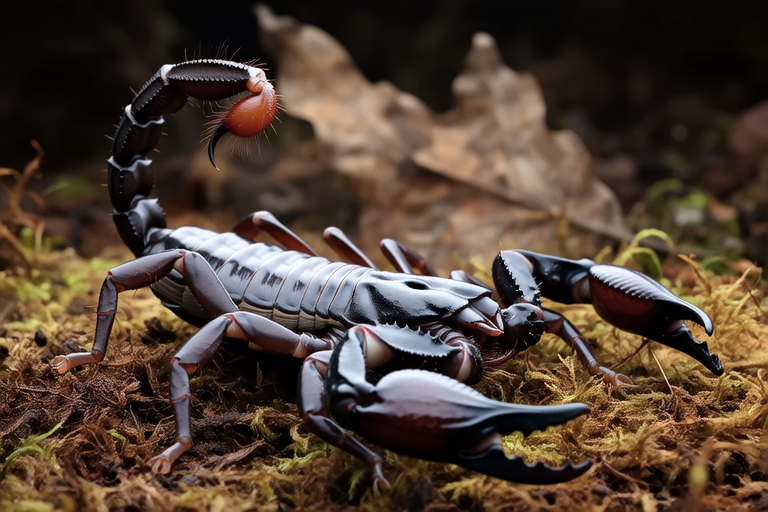
From Fear to Admiration: Discovering the Gentle Giant, Heterometrus Spinifer
In the realm of arachnids and insects, few creatures inspire as much fear as the Heterometrus spinifer, commonly known as the Asian forest scorpion. Its intimidating size, venomous stinger, and nocturnal habits have long been the subject of myths and legends, contributing to a widespread fear among many people. However, beneath this fearsome exterior lies a creature that plays a crucial role in its ecosystem and exhibits behaviors that are far more complex and fascinating than initially perceived.
The Common Fear of Large Insects
It’s natural for humans to be wary of large insects, especially those that appear threatening. The Heterometrus spinifer, with its formidable appearance and powerful pincers, has often been misunderstood and feared. Many people associate it with danger, imagining scenarios where they might be attacked or harmed. This fear is further fueled by popular media, which often portrays these creatures as aggressive predators.
Physical Characteristics
The Heterometrus spinifer is a large scorpion, typically measuring between 9 and 14 centimeters in length. It is characterized by its robust body, thick exoskeleton, and prominent claws. These pincers, or pedipalps, are used both for defense and for capturing prey. The tail, ending in a venomous stinger, is one of the most recognizable features of the species. Despite its intimidating appearance, the venom is generally not lethal to humans; it serves primarily as a means of subduing small prey and deterring larger predators.
Habitat and Behavior
Native to Southeast Asia, the Heterometrus spinifer thrives in tropical rainforests, where it can be found under logs, rocks, and other debris. It is predominantly nocturnal, emerging at night to hunt for insects, spiders, and other small invertebrates. During the day, it seeks shelter in dark, humid environments to avoid dehydration and excessive heat. Its burrowing abilities allow it to create safe hiding spots, ensuring its survival in challenging conditions.
The behavior of the Heterometrus spinifer is quite intricate. It is not as aggressive as commonly believed. When threatened, it will often try to escape rather than attack. Its primary focus is on finding food and protecting itself from predators. Scorpions are solitary creatures, only coming together during mating season. After mating, the female carries the offspring until they are ready to fend for themselves, showcasing a level of parental care that is uncommon in the insect world.
Role in Ecosystems
Despite its fearsome reputation, the Heterometrus spinifer plays a vital role in maintaining ecological balance. As a predator, it helps control populations of harmful insects, thereby preventing potential outbreaks. Additionally, its presence in the ecosystem indicates a healthy environment, as scorpions are sensitive to changes in their surroundings. They serve as indicators of biodiversity and environmental health, making them valuable subjects of study for ecologists.
Unique Adaptations
One of the most remarkable adaptations of the Heterometrus spinifer is its ability to fluoresce under ultraviolet light. This phenomenon, while not fully understood, is believed to play a role in mate selection and communication. Another adaptation is its highly developed sensory system, which allows it to detect vibrations and chemical signals in its environment. These adaptations enable the scorpion to navigate its surroundings effectively and locate prey or potential mates.
Challenging Misconceptions
The myth that all scorpions are aggressive and dangerous is one of the most pervasive misconceptions about the Heterometrus spinifer. While it is true that they possess venom, this is primarily used for hunting and self-defense. In reality, encounters with humans are rare, and attacks are even rarer. Most scorpions prefer to avoid confrontation, retreating when possible. Understanding these facts can help shift public perception from fear to curiosity and respect.
Personal Stories and Anecdotes
One memorable encounter with a Heterometrus spinifer occurred during a research expedition in a Malaysian rainforest. A team member accidentally stepped on a log where a scorpion was hiding. Instead of attacking, the scorpion quickly retreated deeper into its burrow. This experience highlighted the gentle nature of these creatures and dispelled the notion that they are inherently aggressive.
Another anecdote comes from a local guide who has spent years studying these scorpions. He shared that the best way to observe them is to approach quietly and patiently. By doing so, he has been able to witness behaviors that are rarely seen, such as the intricate courtship rituals and the tender care provided by the mother to her young. These personal stories serve as powerful reminders that there is much more to these creatures than meets the eye.
Conclusion
The journey from fear to admiration is often a profound one, especially when it comes to understanding creatures like the Heterometrus spinifer. By delving into the science behind their biology, behavior, and ecological significance, we can begin to appreciate the complexity and beauty of these gentle giants. Their unique adaptations and roles within their ecosystems offer valuable lessons about the importance of biodiversity and the interconnectedness of life.
Encouraging readers to shift their perspective from fear to admiration is not just about changing how we view these creatures but also about fostering a deeper appreciation for the natural world. By embracing our curiosity and willingness to learn, we can cultivate a more respectful relationship with the wildlife around us, recognizing the gentle giant for what it truly is—a remarkable and essential part of our planet’s diverse tapestry.
