Adorable and Low-Maintenance: Why Leopard Geckos Are Ideal Pets
Welcome to the fascinating world of leopard geckos! These delightful creatures have become increasingly popular as pets due to their charming appearance, docile nature, and relatively low-maintenance care requirements. In this article, we will explore why leopard geckos are ideal pets, from their unique physical traits to their manageable care needs. Whether you’re a seasoned reptile enthusiast or a first-time pet owner, these little lizards offer an enjoyable and rewarding experience.
The Charming Appearance of Leopard Geckos
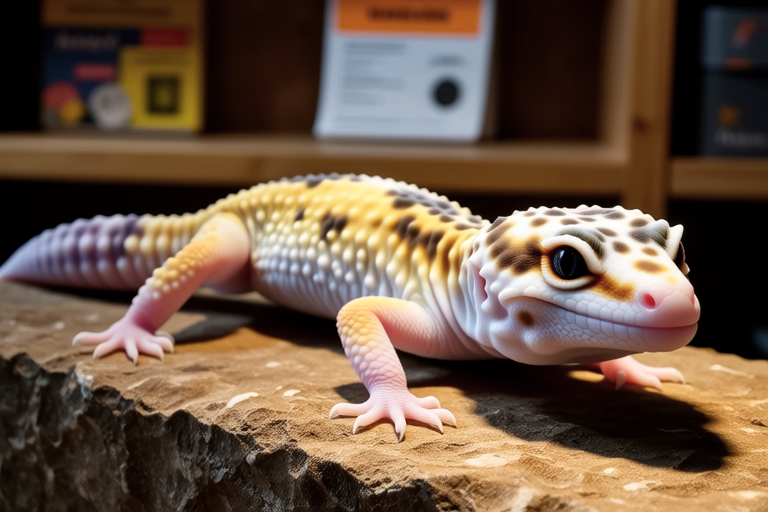
Leopard geckos are small, ground-dwelling lizards native to the arid regions of Pakistan, Afghanistan, and parts of India. They typically grow to be about 8 to 11 inches in length, making them the perfect size for comfortable handling. Their most striking feature is their distinctive pattern of spots, which resembles the rosettes on a leopard’s coat, hence their name. These spots come in a variety of colors, including yellow, orange, white, and even albino varieties that lack pigmentation entirely.
Leopard geckos have smooth skin, unlike many other lizards, which gives them a soft, velvety texture. Another notable characteristic is their ability to shed their tails as a defense mechanism when threatened. However, once lost, the tail does not regrow, so it’s important to handle your gecko gently to avoid stressing it unnecessarily. Despite this, they are generally docile and rarely aggressive, making them excellent companions for both children and adults.
Low-Maintenance Care Requirements
Housing
Setting up the right habitat is crucial for the well-being of your leopard gecko. A glass aquarium or terrarium with a secure lid is recommended, providing ample space for your gecko to move around comfortably. For a single adult, a 10-gallon tank is usually sufficient, but larger tanks can accommodate multiple geckos or provide more room for exploration.
Inside the tank, create a cozy environment with a substrate that mimics their natural desert habitat. Many owners prefer using paper towels or reptile carpet for ease of cleaning and safety. Avoid loose substrates like sand or gravel, as they can cause impaction if ingested. Add a hide box or two for your gecko to retreat into when feeling stressed or needing privacy. A humid hide, filled with moist sphagnum moss, is also beneficial for proper shedding.
Temperature control is essential for your gecko’s health. Install a heat lamp or under-tank heater on one side of the tank to create a warm basking area, maintaining a temperature between 88°F and 90°F (31°C to 32°C). The cooler side of the tank should remain around 75°F to 80°F (24°C to 27°C). Use a thermostat to regulate the temperatures accurately and prevent overheating.
Feeding
Leopard geckos are insectivores, meaning their diet consists primarily of insects. Crickets are a staple food, but variety is key to ensuring a balanced diet. Supplement their meals with mealworms, waxworms, and superworms, adjusting the size of the insects to match your gecko’s age and size. Offer a calcium and vitamin D3 supplement twice a week to support healthy bone development.
It’s important to gut-load feeder insects before offering them to your gecko. This means feeding the insects a nutritious diet rich in vitamins and minerals for at least 24 hours before they are consumed. Gut-loading enhances the nutritional value of the insects, contributing to your gecko’s overall health.
Handling
Leopard geckos are generally calm and easy to handle, making them perfect for those new to reptile ownership. Always wash your hands before and after handling your gecko to prevent the spread of bacteria. Gently scoop your gecko from its enclosure, supporting its body with both hands. Allow it to walk onto your fingers rather than picking it up abruptly.
Handle your gecko regularly to help it acclimate to human interaction. However, avoid excessive handling, especially with younger geckos, as they need time to adjust to their new environment. If your gecko shows signs of stress, such as twitching or biting, it’s best to give it some space and try again another day.
Maintaining the Perfect Habitat
To keep your leopard gecko happy and healthy, regular maintenance of its habitat is necessary. Clean the enclosure weekly, removing any uneaten food and waste. Replace the substrate as needed to maintain hygiene. Check the humidity levels and adjust the moisture in the humid hide as required.
Monitor the temperature and lighting systems to ensure they function correctly. UVB lighting is not necessary for leopard geckos, but a gentle source of heat is vital for digestion and overall health. Regularly inspect the hide boxes and decorations for cleanliness and structural integrity.
Common Health Issues and Preventive Care
Like any pet, leopard geckos can encounter health issues. One common problem is metabolic bone disease (MBD), caused by insufficient calcium or vitamin D3. Signs include swollen limbs, weak muscles, and difficulty moving. Ensuring a balanced diet and proper supplementation can prevent MBD.
Impaction, where undigested food blocks the digestive tract, can occur if your gecko ingests substrate. Keeping a safe substrate and feeding appropriately sized insects can reduce the risk. Respiratory infections may develop if the tank’s humidity levels are too high or too low. Maintaining appropriate temperature and humidity gradients helps prevent respiratory issues.
Regular veterinary check-ups are recommended to monitor your gecko’s health and address any concerns early. A healthy diet, clean environment, and attentive care are the best defenses against illness.
Why Leopard Geckos Make Excellent Pets
Leopard geckos are ideal pets for several reasons. Their small size and manageable care requirements make them suitable for apartments or homes with limited space. Their docile nature and ease of handling make them great companions for children, teaching responsibility and respect for animals. Additionally, their long lifespan—typically 15 to 20 years—means you’ll have a loyal friend for many years to come.
For reptile enthusiasts, leopard geckos offer a fascinating glimpse into the world of herpetology. With their wide range of color morphs and patterns, there’s always something new and exciting to discover. Whether you’re a beginner or an experienced herpetologist, leopard geckos provide endless opportunities for learning and enjoyment.
In conclusion, leopard geckos are adorable, low-maintenance pets that bring joy and companionship to their owners. Their charming appearance, easy-care requirements, and adaptability make them perfect for various living situations. By providing a suitable habitat, proper nutrition, and attentive care, you can ensure your leopard gecko lives a long, healthy, and happy life. So why not consider adding one of these delightful lizards to your family?
