Adorable or Annoying? Unpacking the Unique Behavior of Shiba Inus
The Shiba Inu, a small yet sturdy breed, has captured the hearts of dog enthusiasts worldwide with its unique blend of charm and quirks. Originating from Japan, this ancient breed has a rich history that dates back thousands of years.
Origin and Brief History
Shiba Inus were originally bred as hunting dogs in the mountainous regions of Japan. They were used to hunt small game like birds and rodents. The breed was nearly wiped out during World War II due to bombing and a distemper outbreak, but dedicated breeders worked tirelessly to bring them back from the brink of extinction. Today, they are one of the most popular breeds in Japan and have gained significant popularity globally.
Physical Characteristics
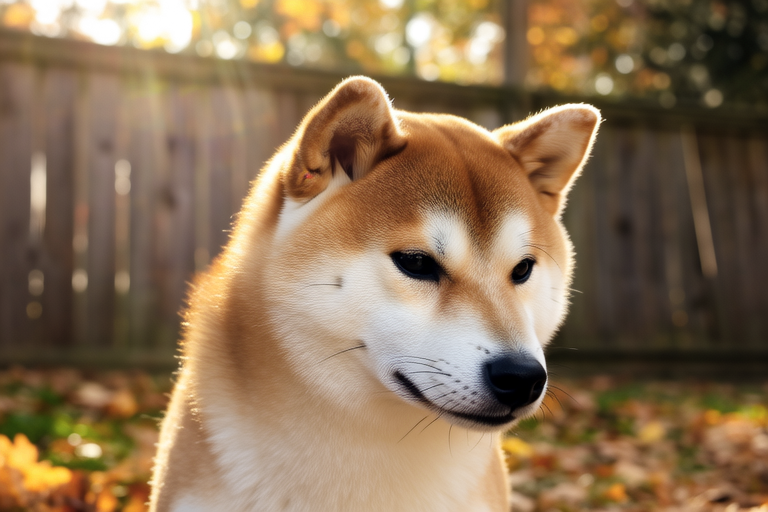
Shiba Inus are known for their fox-like appearance. They have a thick, double coat that comes in red, black and tan, or sesame (a mix of red and black hairs). Their eyes are almond-shaped and dark brown, giving them a wise and alert expression. One of their most distinctive features is their curled tail, which adds to their overall fox-like appearance. They stand at around 35-43 cm tall and weigh between 7-11 kg.
Behavior: Adorable and Annoying Traits
Shiba Inus exhibit a range of behaviors that can be both adorable and annoying. On the adorable side, they are incredibly affectionate with their family, often following their owners around the house. They are also known for their independent streak, which can sometimes make them seem aloof but often translates into a calm demeanor.
One of the most endearing traits of Shiba Inus is their tendency to clean themselves. Like cats, they spend time grooming themselves, making them appear neat and tidy. However, this cleanliness can sometimes lead to selective eating habits. Shibas may refuse to eat food that isn’t clean enough for their standards, leading to potential feeding challenges for their owners.
On the annoying side, Shibas are notorious for being stubborn and strong-willed. This trait can manifest in various ways, such as refusing to come when called or ignoring commands. Additionally, they are prone to digging and barking, behaviors that can be particularly frustrating for owners who live in close-knit communities.
Evolutionary and Behavioral Science Perspectives
The behavior of Shiba Inus can be understood through the lens of evolutionary biology and behavioral science. Their independent nature and strong will are remnants of their hunting heritage. In the wild, these traits would have been crucial for survival, allowing them to hunt effectively and make decisions independently.
Their selective eating habits can be traced back to their instinct to avoid contaminated food, a behavior that would have been vital for survival in the wild. Similarly, their tendency to bark and dig can be linked to their ancestral roles as hunters and guardians. Barking could have served as a warning system, while digging might have helped them uncover prey or create safe spaces.
Tips for Owners
Managing the potentially annoying behaviors of Shiba Inus requires patience, consistency, and positive reinforcement training. For stubbornness, it’s important to establish yourself as the pack leader early on. This can be achieved through consistent training and setting clear boundaries.
To address selective eating, it’s recommended to maintain a clean feeding environment and stick to a regular feeding schedule. Avoiding table scraps and human food can also help prevent picky eating habits. As for barking and digging, providing alternative outlets for these behaviors can be effective. For example, offering chew toys and puzzle feeders can redirect their energy and satisfy their natural instincts.
The Unique Charm and Loyalty of Shiba Inus
Despite their quirks, Shiba Inus offer a unique charm and loyalty that makes them beloved companions. Their loyalty is unwavering, and they form deep bonds with their families. Many owners report that their Shibas are protective and will alert them to any perceived threats.
Anecdotes abound of Shibas displaying remarkable loyalty and affection. For instance, a Shiba Inu named Hachiko famously waited for his owner at a train station every day for years after the owner’s death. Such stories highlight the deep emotional connection that Shibas can form with their humans.
Moreover, studies have shown that Shibas are highly intelligent and trainable, capable of learning complex commands and tricks. Their intelligence, combined with their loyalty, makes them excellent companions for active individuals and families.
In conclusion, Shiba Inus are a breed with a fascinating history and unique set of behaviors. While they can be challenging at times, their charm and loyalty make them cherished members of many households. By understanding the origins and reasons behind their behaviors, owners can better manage and enjoy the company of these delightful dogs.
