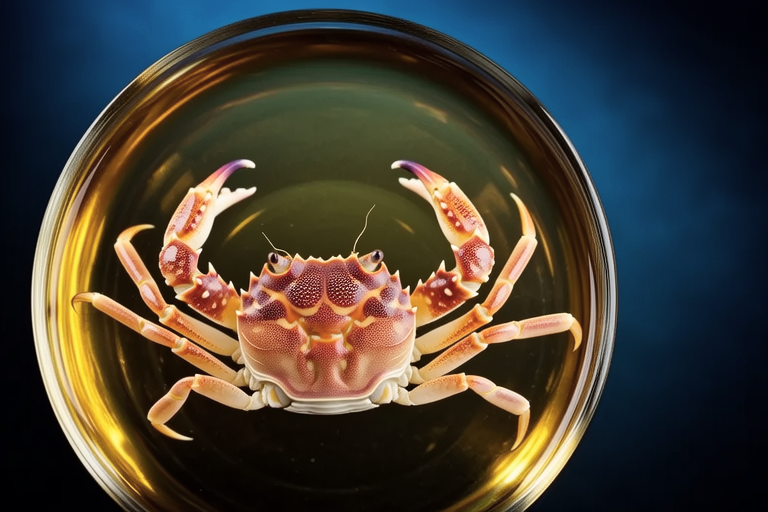
From Microscopic to Majestic: The Journey of Pea Crabs
Welcome to the fascinating world of pea crabs, tiny creatures that play a significant role in marine ecosystems. These crabs are named for their diminutive size, which can range from just a few millimeters to about an inch long. Their habitat is primarily within the confines of bivalves such as mussels and clams, where they lead a unique and often overlooked existence.
The World of Pea Crabs
Pea crabs belong to the family Pinnotheridae and are found across the globe in coastal waters. Their small size and hidden lifestyle make them challenging to spot, but their presence is crucial to the balance of marine life. Pea crabs have adapted to live inside their host, creating a safe haven for themselves. This adaptation includes modified appendages that allow them to cling tightly to the internal surfaces of their hosts, ensuring they don’t get flushed out by water currents.
Symbiosis: A Unique Relationship
The relationship between pea crabs and their hosts is a classic example of mutualism, where both species benefit. For the pea crab, the host provides shelter, protection, and a steady supply of food. In return, pea crabs help clean their hosts by feeding on parasites and detritus, thus promoting better health for the host. This interaction is vital for the well-being of both organisms, showcasing the intricate web of life in marine environments.
The Life Cycle of Pea Crabs
The journey of a pea crab begins as a microscopic larva floating freely in the ocean. These larvae are part of the zooplankton community and rely on currents to transport them to suitable hosts. Once they find a compatible mussel or clam, the larvae enter through the host’s gills or mantle cavity. They then undergo metamorphosis, developing into juvenile crabs that are capable of living inside their host.
As they mature, pea crabs continue to grow and adapt to their enclosed environment. Males tend to be smaller than females, which is common in many crustacean species. The female pea crabs are larger because they need more space to carry and nourish their eggs. Inside the host, the female lays her eggs, which she carries until they hatch. The newly hatched larvae then exit the host and start their own journey, repeating the cycle.
Challenges and Threats
Despite their adaptations, pea crabs face numerous challenges in their ecosystem. Climate change, pollution, and overfishing of their hosts pose significant threats. Changes in water temperature and acidity can disrupt the delicate balance of their host’s health, making it harder for pea crabs to thrive. Pollution can also introduce harmful substances into the water, affecting the availability of food and increasing the risk of disease.
Additionally, the harvesting of mussels and clams for human consumption can inadvertently remove pea crabs from their natural habitats. This practice can lead to a decline in pea crab populations, disrupting the symbiotic relationships they maintain with their hosts. Conservation efforts must consider these factors to ensure the survival of pea crabs and the ecosystems they support.
The Importance of Pea Crabs
Pea crabs are essential contributors to marine biodiversity. Their role in cleaning and maintaining the health of their hosts is crucial for the overall stability of marine environments. By promoting the health of mussels and clams, pea crabs indirectly support other marine species that depend on these bivalves for food or habitat. Furthermore, their presence indicates the health of the broader ecosystem, serving as an indicator species for environmental changes.
Conservation efforts aimed at protecting pea crabs and their hosts are vital for maintaining the balance of marine ecosystems. Supporting sustainable fishing practices, reducing pollution, and advocating for marine protected areas can help ensure the survival of these tiny yet mighty creatures. Encouraging research and public awareness about pea crabs can also foster a deeper understanding and appreciation of the intricate relationships within our oceans.
Conclusion
The journey of pea crabs from microscopic larvae to majestic inhabitants of their hosts is a testament to the resilience and adaptability of life in the ocean. Their unique symbiotic relationships and contributions to marine biodiversity underscore the importance of preserving these tiny creatures and the ecosystems they call home. As stewards of the Earth, it is our responsibility to protect and conserve the rich tapestry of life in our oceans, including the humble pea crab.
