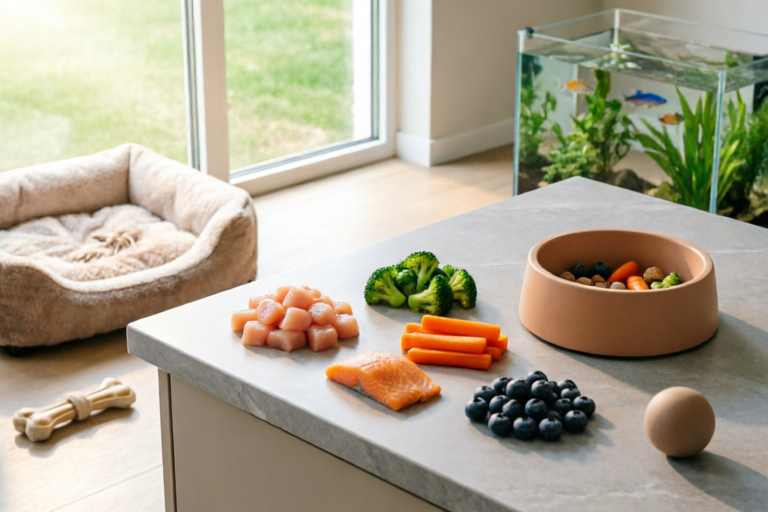
Top 5 Foods for a Healthy Pet Diet
Nourish Your Pet with the Best Ingredients
Top 5 Foods for a Healthy Pet Diet
Introduction
A balanced diet is crucial for the overall health and wellbeing of pets. Proper nutrition not only helps prevent common dietary issues but also ensures your pet remains energetic and vibrant. Many pet owners face challenges in choosing the right foods for their furry friends, often leading to health problems such as obesity, digestive issues, and weakened immune systems. By understanding the importance of a balanced diet, you can take proactive steps to keep your pet healthy.
1. Lean Proteins: The Building Blocks of Health
Why Lean Proteins Matter: Lean proteins are essential for building and repairing muscles, tissues, and organs. They provide the necessary amino acids that pets need to thrive. Incorporating lean proteins into your pet's diet can help maintain muscle mass, support growth, and promote a healthy metabolism.
Good Protein Sources: Some excellent sources of lean protein for pets include chicken, fish, and eggs. These options are easily digestible and packed with nutrients. Chicken provides a high-quality source of protein, while fish like salmon and sardines offer omega-3 fatty acids, which are beneficial for joint health and skin conditions. Eggs are another great option, rich in protein and vitamins.
Tips for Inclusion: To ensure your pet receives adequate protein, consider adding cooked chicken or fish to their meals. You can also mix in scrambled eggs or use commercial pet food that lists lean protein sources as primary ingredients. Always avoid feeding raw meat, as it can pose health risks.
2. Whole Grains: Energy Boosters for Your Pet
The Benefits of Whole Grains: Whole grains are an excellent source of energy and fiber, helping to regulate digestion and maintain steady blood sugar levels. They also contain essential vitamins and minerals that contribute to overall health. For pets, whole grains can provide sustained energy throughout the day, promoting better activity levels and mental alertness.
Safe and Beneficial Types: Oats, quinoa, and brown rice are some of the best whole grains for pets. Oats are particularly beneficial due to their high fiber content, which aids in digestion. Quinoa is a complete protein, making it an ideal choice for pets who may have specific dietary needs. Brown rice is easy to digest and provides a good balance of carbohydrates and nutrients.
Preparation and Serving: When preparing whole grains for your pet, it's important to cook them thoroughly. Avoid adding salt, sugar, or other seasonings that could be harmful. Serve the grains warm and mixed with other nutritious components of your pet's meal. This ensures that your pet gets the full nutritional benefit while enjoying their food.
3. Vegetables: Nutrient-Rich Additions to Your Pet’s Meal
Vitamins and Minerals in Vegetables: Vegetables are packed with essential vitamins and minerals that support various bodily functions. They provide antioxidants, fiber, and other nutrients that can help boost immunity, improve digestion, and promote healthy skin and coat.
Safe Vegetables for Pets: Carrots, green beans, and peas are among the safest vegetables for pets. Carrots are rich in beta-carotene, which converts to vitamin A, supporting vision and skin health. Green beans are low in calories and high in fiber, making them a great addition to weight management diets. Peas are an excellent source of protein and fiber, contributing to overall digestive health.
Creative Ways to Include Vegetables: Adding vegetables to your pet's diet can be both fun and beneficial. You can puree carrots and add them to homemade dog food or sprinkle finely chopped green beans over their kibble. Steamed or boiled vegetables are easier for pets to digest, so always prepare them properly before serving. Be cautious with the quantity, especially if your pet has sensitive digestion.
4. Fruits: A Sweet Treat with Health Benefits
Antioxidants and Vitamins in Fruits: Fruits are a delightful way to introduce natural sweetness and essential nutrients into your pet's diet. They contain antioxidants, vitamins, and fiber that can help reduce inflammation, support heart health, and improve cognitive function.
Safe Fruits for Pets: Apples, blueberries, and bananas are popular choices for pets. Apples provide vitamin C and fiber, while blueberries are rich in antioxidants. Bananas offer potassium and vitamins B6 and C. However, always remove the seeds from apples and limit the amount of banana, as too much can cause digestive upset.
Guidelines for Feeding: It's important to feed fruits in moderation. Too much fruit can lead to weight gain and upset stomachs. Start with small portions and monitor your pet's reaction. You can mix fruits into their regular meals or offer them as occasional treats. Always wash fruits thoroughly to remove any pesticides or chemicals.
5. Healthy Fats: Essential for Skin and Coat
The Role of Healthy Fats: Healthy fats play a vital role in maintaining your pet's skin and coat health. They help keep the skin moisturized, reduce inflammation, and promote a shiny coat. Omega-3 and omega-6 fatty acids are particularly important for pets, as they support joint health and reduce the risk of skin allergies.
Sources of Healthy Fats: Salmon oil and flaxseed are two of the best sources of healthy fats for pets. Salmon oil is rich in omega-3 fatty acids, which are anti-inflammatory and beneficial for joint health. Flaxseed contains omega-3 and omega-6 fatty acids, providing a balanced profile for overall health. Other good sources include coconut oil and sunflower oil.
Advice for Integration: Adding healthy fats to your pet's diet can be done through supplements or by incorporating foods rich in these fats. Always consult with your veterinarian before starting any new supplement regimen. Begin with small amounts and gradually increase as needed. Over-supplementation can lead to weight gain and other health issues.
Conclusion
In summary, a balanced diet for your pet should include lean proteins, whole grains, vegetables, fruits, and healthy fats. Each of these food groups contributes uniquely to your pet's health, ensuring they receive all the necessary nutrients for optimal wellbeing. While this guide provides valuable information, it's essential to consult with a veterinarian when planning your pet's diet. They can offer personalized advice based on your pet's specific needs, age, breed, and health conditions. By prioritizing a well-balanced diet, you're investing in your pet's long-term health and happiness.
Comments

I tried adding some chicken to my pet's meals, and it seems to agree with him. Has anyone had issues with weight gain from too much protein?

I'm curious, what's the best way to incorporate eggs into my dog's diet? Any advice?

I've been following these tips and my cat is healthier than ever. Thanks for the info!

Great list! I've been feeding my pet salmon oil and his coat looks amazing now. Is there anything better than salmon oil for shiny fur?

I tried giving my dog some veggies but he got a bit gassy at first. Any tips on how to introduce them properly?

My cat absolutely adores blueberries. I give her a few every day. Has anyone tried mixing different fruits?
I've been adding some cooked quinoa to my dog's meals and he loves it! Anyone else tried this? Does it work for you?