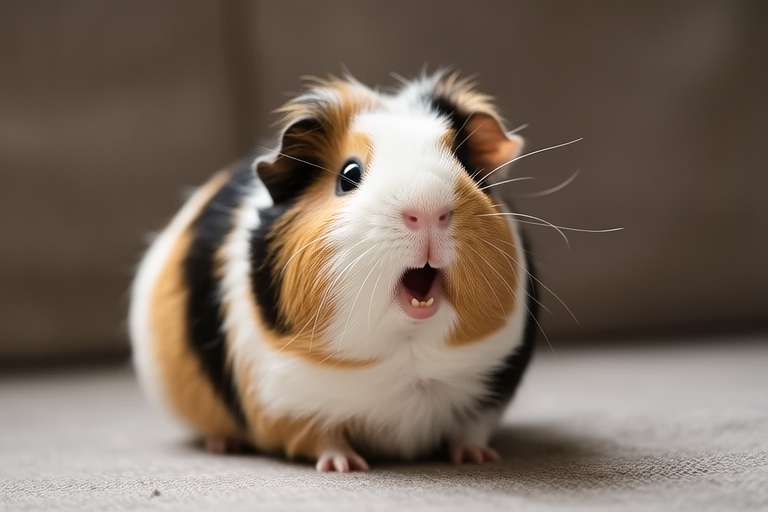
Guinea Pig Sounds: Decoding Their Unique Language
Guinea pigs, or cavies as they are scientifically known, are delightful creatures that have captured the hearts of many pet lovers worldwide. These small rodents are not only charming with their soft fur and expressive eyes but also possess a unique way of communicating through various sounds. Understanding these vocalizations can significantly enhance the bond between pet owners and their furry companions. This article delves into the world of guinea pig sounds, explaining the meanings behind each vocalization and offering tips for interpreting and responding to these sounds.
The Importance of Guinea Pig Vocalizations
Vocalizations play a crucial role in the social interactions of guinea pigs. In the wild, these animals live in groups and rely heavily on sound to communicate with one another. Domesticated guinea pigs carry over this behavior, making it essential for their human caretakers to understand what their pets are trying to convey. By decoding their language, you can better meet their needs, ensuring a happy and healthy environment for your guinea pig.
Purring: The Sound of Contentment
One of the most common sounds you’ll hear from your guinea pig is purring. This low, rumbling noise is often associated with relaxation and happiness. When your guinea pig is purring, it’s usually indicating that it feels safe and comfortable in its surroundings. You might notice this sound when you’re petting your guinea pig or when it’s enjoying a cozy spot in its cage.
However, it’s important to note that purring can also be a sign of distress. If your guinea pig is purring while displaying other signs of discomfort, such as hunched posture or labored breathing, it could be a cry for help. In such cases, it’s advisable to consult a veterinarian to rule out any underlying health issues.
Wheeking: The Call for Attention
Another distinctive sound made by guinea pigs is wheeking. This high-pitched, whistling call is typically used to get attention or signal hunger. Wheeking can be heard when your guinea pig wants to be fed or played with. It’s an effective way for the animal to communicate its desires, making it easier for owners to respond appropriately.
New owners may find themselves responding to every wheek, but it’s important to establish a routine so that your guinea pig doesn’t become overly dependent on this method of communication. However, if your guinea pig is wheeking persistently and there seems to be no obvious reason, it might be worth checking if the cage environment needs improvement or if there’s something missing in its diet.
Chirping: A Mysterious Sound
Chirping, a sound resembling birdsong, is one of the more mysterious vocalizations made by guinea pigs. While the exact purpose of chirping remains somewhat unclear, some experts suggest it could be a form of long-distance communication. In the wild, guinea pigs use chirps to locate and reunite with their group members.
In captivity, chirping can occur during moments of excitement or anticipation. For example, your guinea pig might chirp when you enter the room, signaling its eagerness to see you. Some owners report that their guinea pigs chirp when they hear other animals or even certain sounds, like the rustling of leaves. While chirping is generally harmless, it can be a bit startling at first if you’re not familiar with it.
Tooth Chattering: An Indicator of Aggression
Not all guinea pig sounds are positive; some can indicate displeasure or aggression. Tooth chattering, a rapid clicking sound produced by the gnashing of teeth, is one such vocalization. This sound is often accompanied by flattened ears and aggressive posturing, warning other guinea pigs (or humans) to stay away.
If your guinea pig starts chattering its teeth, it’s important to respect its space and give it time to calm down. This behavior can occur when your guinea pig feels threatened or uncomfortable, perhaps due to overcrowding or territorial disputes. In extreme cases, tooth chattering can escalate to biting, so it’s crucial to address the issue promptly.
Whining: A Sign of Discomfort
Whining is another vocalization that can signal discomfort or distress in guinea pigs. This low, mournful sound might indicate pain, fear, or anxiety. If your guinea pig is whining, it’s essential to investigate the cause. Check for signs of injury, illness, or environmental stressors that might be contributing to its unhappiness.
Addressing the root cause of whining can involve providing better living conditions, adjusting diet, or seeking veterinary care. Whining can also occur when a guinea pig is separated from its companions, highlighting the importance of social interaction for these social animals.
Responding to Your Guinea Pig’s Vocal Cues
Understanding and responding to your guinea pig’s vocal cues is key to maintaining a strong bond and ensuring its well-being. Here are some tips for new owners:
- Observe Consistently: Spend time observing your guinea pig regularly to learn its unique vocal patterns. Every guinea pig has its own personality, and what works for one might not work for another.
- Establish Routines: Creating consistent feeding and play times can help reduce unnecessary wheeking and ensure your guinea pig knows when to expect attention.
- Provide Comfort: Make sure your guinea pig has a comfortable living space with appropriate bedding, toys, and hiding spots. A contented guinea pig is less likely to produce distress signals.
- Seek Professional Help: If you’re unsure about the meaning of a particular sound or if your guinea pig exhibits unusual behaviors, don’t hesitate to consult a veterinarian or a professional animal behaviorist.
Conclusion
Decoding the unique language of guinea pigs can greatly enrich the relationship between pet and owner. From the soothing purrs of contentment to the alarming chirps of distress, each sound offers valuable insights into your guinea pig’s emotional state and needs. By paying attention to these vocalizations and responding appropriately, you can ensure that your guinea pig enjoys a happy and healthy life. As you continue to bond with your pet, you’ll find that understanding its language becomes second nature, deepening the connection between you both.
