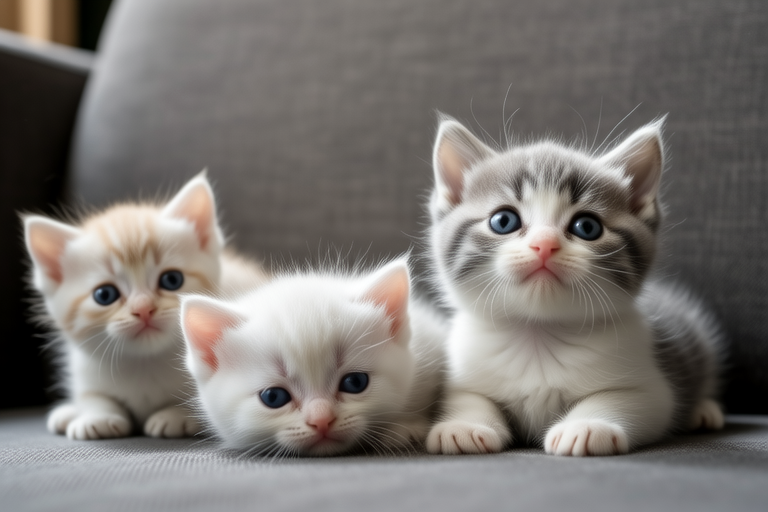
Adorable Munchkins: The Kittens With Tiny Legs
Welcome to the enchanting world of Munchkin cats! These adorable felines have captured the hearts of cat lovers with their unique physical characteristic – tiny legs. Their endearing appearance, coupled with a delightful temperament, makes them a popular choice among pet owners. This article will delve into the fascinating world of Munchkin cats, exploring their physical traits, temperament, health considerations, and popular myths surrounding them. We will also provide insights into their history and breeding origins, as well as real-life anecdotes from owners to give you a comprehensive understanding of these captivating creatures.
The Unique Physical Characteristics of Munchkin Cats
Munchkin cats are best known for their disproportionately short legs, which can be attributed to a genetic mutation that affects the long bone growth in their legs. This mutation, known as achondroplasia, is similar to the condition found in Dachshunds and Basset Hounds. Despite their diminutive legs, Munchkin cats come in various coat types and colors, making them visually appealing. Their coats can be shorthaired or longhaired, and they can sport any color or pattern, adding to their charm. While their legs are shorter than those of other cats, their bodies remain proportionate, and they maintain the gracefulness typical of felines.
One of the most striking features of Munchkin cats is their large, expressive eyes. These eyes often seem to reflect their curious and playful nature. Their ears are set high on their heads, giving them a slightly alert appearance. The combination of their short legs and large eyes creates a look that is both whimsical and captivating.
Temperament: Playful and Affectionate
Munchkin cats are renowned for their friendly and affectionate personalities. They are social animals who enjoy interacting with their human companions. These cats thrive in environments where they can receive attention and engage in play. Many owners describe their Munchkin cats as being highly adaptable, fitting seamlessly into family life. Their playful nature is evident in their love for toys and games, making them ideal companions for children and adults alike.
Despite their small stature, Munchkin cats are surprisingly agile. Their unique body structure allows them to move in ways that might surprise you. They can leap and climb with surprising ease, thanks to their strong back legs and flexible spines. However, their agility does not mean they are less affectionate. On the contrary, they often seek out laps and cuddles, seeking comfort and companionship from their human families.
Health Considerations Specific to the Breed
While Munchkin cats are generally healthy, there are some health considerations specific to the breed. The most significant concern is spinal issues, such as lordosis (an inward curvature of the spine) and kyphosis (an outward curvature). These conditions can lead to discomfort and mobility problems. Regular veterinary check-ups are essential to monitor their spinal health and address any issues early.
Another common issue is pectus excavatum, a deformity where the sternum is sunken. This condition can affect the heart and lungs, leading to respiratory difficulties. Early diagnosis and appropriate care are crucial to managing this condition effectively.
In addition to these specific health concerns, it’s important to note that Munchkin cats can suffer from obesity if they are overfed or lack sufficient exercise. Providing a balanced diet and ensuring they get regular playtime is vital for maintaining their overall health.
Popular Myths Surrounding Munchkin Cats
There are several misconceptions about Munchkin cats that need to be addressed. One prevalent myth is that their short legs make them prone to injuries. While it is true that their unique anatomy requires careful consideration, many Munchkin cats lead active and healthy lives. Another myth is that they are less intelligent than other breeds. This is simply not true; Munchkin cats are just as intelligent and trainable as any other breed.
Some people believe that Munchkin cats are more susceptible to health problems due to their short legs. While it is true that they face certain challenges, responsible breeding practices have significantly reduced the incidence of health issues. It’s important to choose a reputable breeder who prioritizes the health and well-being of their cats.
History and Breeding Origins
The story of Munchkin cats began in the late 20th century when a breeder named Sandra Hochenedel discovered a pregnant stray cat with unusually short legs. She rescued the cat and named her Blackberry. Blackberry gave birth to a litter of kittens, some of whom inherited her short-legged trait. Sandra used these kittens to establish the Munchkin breed.
The breed was named after the characters from “The Wizard of Oz,” known for their short stature. Over time, Munchkin cats gained popularity, and today, they are recognized by various cat registries. The International Cat Association (TICA) granted the Munchkin official breed status in 2003, marking a significant milestone in the breed’s history.
How Their Distinctive Trait Impacts Their Agility and Lifestyle
The short legs of Munchkin cats do not hinder their ability to move around. In fact, their unique body structure allows them to navigate their environment with surprising agility. Their strong back legs and flexible spines enable them to leap, climb, and explore with ease. They can still chase after toys, jump onto furniture, and engage in all the activities that make cats so enjoyable to watch.
However, their agility does come with some limitations. Munchkin cats may find it more challenging to reach high places or jump long distances. This is why providing them with accessible perches and toys at their level is important. Their short legs also make them more vulnerable to certain environmental hazards, such as sharp objects or slippery surfaces. Taking precautions to create a safe and comfortable living space is essential for their well-being.
Real-Life Anecdotes and Testimonials
Meet Sarah, a proud owner of two Munchkin cats named Whiskers and Boots. Sarah shares, “Whiskers and Boots are the most loving and playful cats I’ve ever had. They are always up for a game of fetch or chasing after a feather toy. Despite their short legs, they are incredibly agile and can leap onto the couch without any trouble. They are the perfect companions for my family.”
Another owner, John, adds, “My Munchkin cat, Luna, has brought so much joy to our home. She is incredibly affectionate and loves to curl up in my lap for naps. Her playful nature keeps us entertained, and she is always ready for a game. Luna’s short legs don’t stop her from enjoying life to the fullest.”
These anecdotes highlight the delightful nature of Munchkin cats and the joy they bring to their human families. Their unique appearance and charming personalities make them a wonderful addition to any household.
Conclusion
Munchkin cats are truly adorable creatures with their tiny legs and playful personalities. Their unique physical characteristics, combined with their friendly and affectionate temperament, make them a popular choice among cat enthusiasts. While they do require special care due to their specific health considerations, responsible ownership and proper care can ensure a long and happy life for these delightful felines.
If you’re considering adopting a Munchkin cat, take the time to research reputable breeders and prepare your home to accommodate their needs. With the right care and attention, a Munchkin cat can become a cherished member of your family, bringing endless joy and companionship.
