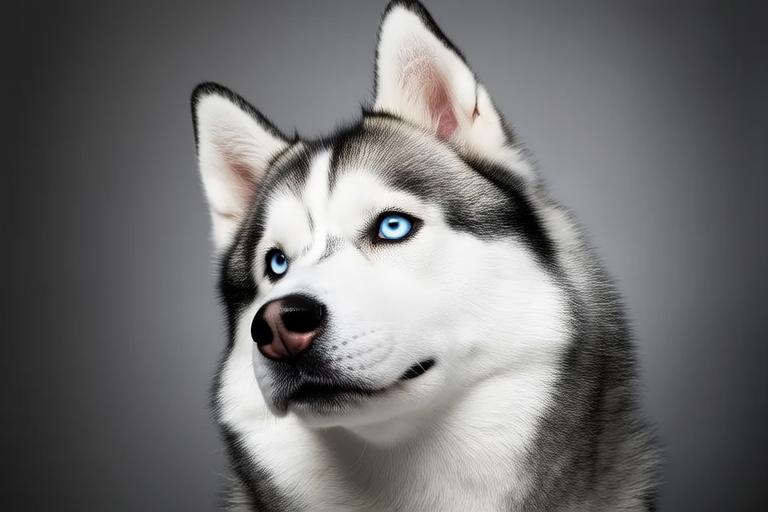
How to Decode the Expressions of Your Siberian Husky
Siberian Huskies are known for their striking blue or multi-colored eyes, thick fur, and mischievous nature. Their unique appearance often captures hearts, but it’s their expressive faces and body language that truly speak volumes about their moods and needs. Decoding your Siberian Husky’s expressions can help you strengthen your bond with them and ensure they lead happy, healthy lives. This guide will walk you through understanding common facial expressions, body language cues, and vocalizations specific to Siberian Huskies, providing practical tips for owners to better interpret and respond to their pets.
Understanding Facial Expressions
Siberian Huskies have expressive faces that can convey a wide range of emotions. One of the most notable features is their eyes, which can appear almond-shaped and captivating. When a Husky’s eyes are wide open and focused, it usually indicates excitement or alertness. For example, if your Husky spots a squirrel or another dog, their eyes might widen as they become intrigued or ready to chase.
If your Husky’s eyes narrow, it could suggest they’re feeling cautious or suspicious. This expression is often seen when a Husky encounters something unfamiliar or potentially threatening. In contrast, relaxed, half-closed eyes typically indicate contentment or tiredness. Your Husky might show this look after a long walk or during nap time.
The mouth also plays a significant role in expressing feelings. A slightly open mouth with relaxed lips often signifies happiness or contentment. However, be cautious if you notice your Husky’s teeth bared, as this could be a sign of aggression or discomfort. It’s important to observe the context and other body language cues to determine the true meaning behind this expression.
Body Language Cues
Beyond facial expressions, Siberian Huskies communicate through various body movements. Their tails are particularly expressive; a high-held tail generally indicates confidence and energy, while a tucked tail may suggest fear or submission. For instance, if your Husky tucks its tail when meeting new people or dogs, it might feel intimidated or unsure.
Posture can also provide valuable insights. An upright stance with ears perked up usually means your Husky is alert and attentive. On the other hand, a slouched posture with droopy ears may indicate sadness or lethargy. If you notice your Husky frequently adopting this posture, it could be a sign of underlying health issues that require attention.
Another crucial aspect of body language is pawing. While gentle pawing can be a sign of affection or playfulness, persistent pawing might indicate frustration or anxiety. For example, if your Husky paws at the door repeatedly, they may want to go outside or need more exercise.
Vocalizations Specific to Siberian Huskies
Siberian Huskies are known for their distinctive howls, which can vary in pitch and duration depending on the situation. Howling is often associated with loneliness or separation anxiety, especially if your Husky is left alone for extended periods. In such cases, providing additional stimulation through toys or companionship can help alleviate their distress.
Barking patterns also differ among Huskies. Short, sharp barks usually signal alertness or warning, while continuous barking might indicate excitement or boredom. Understanding these differences can help you address your Husky’s needs effectively. For instance, if your Husky barks excessively during walks, they might benefit from more challenging activities like agility training.
Practical Tips for Owners
To better understand and respond to your Siberian Husky’s expressions, consider keeping a journal of their behaviors and corresponding reactions. This can help you identify patterns and learn what triggers certain responses. Additionally, spend quality time with your Husky daily, engaging in activities they enjoy. This not only strengthens your bond but also gives you opportunities to observe and interpret their expressions accurately.
Pay attention to changes in behavior, as sudden shifts can indicate health concerns. For example, if your usually energetic Husky becomes lethargic, consult a veterinarian to rule out any medical issues. Regular check-ups and maintaining a balanced diet are essential for keeping your Husky healthy and responsive.
Real-Life Scenarios
Imagine coming home after work to find your Siberian Husky staring intently at the window. Their eyes are wide, and their tail is wagging slightly. What does this mean? Based on their facial expression and body language, it’s likely they’ve spotted something interesting outside, perhaps a bird or another animal. Instead of scolding them for being distracted, engage in a short game of fetch or take them for a walk to satisfy their curiosity.
Another scenario involves your Husky suddenly becoming quiet and withdrawn during playtime. They may have a toy in their mouth but aren’t showing the usual enthusiasm. This could indicate they’re tired or need a break. Respect their limits by offering water and allowing them some rest before resuming play.
Encouraging Deeper Bond Between Owners and Pets
Improving communication with your Siberian Husky not only enhances their well-being but also deepens the connection between you both. By learning to read their expressions and responding appropriately, you demonstrate care and understanding, fostering trust and loyalty. Remember, every interaction counts towards building a strong relationship based on mutual respect and affection.
In conclusion, decoding the expressions of your Siberian Husky requires patience, observation, and active engagement. By familiarizing yourself with their facial expressions, body language cues, and vocalizations, you’ll gain valuable insights into their moods, health, and needs. With practice, you’ll develop a deeper bond with your furry companion, ensuring a lifetime of joy and companionship.
