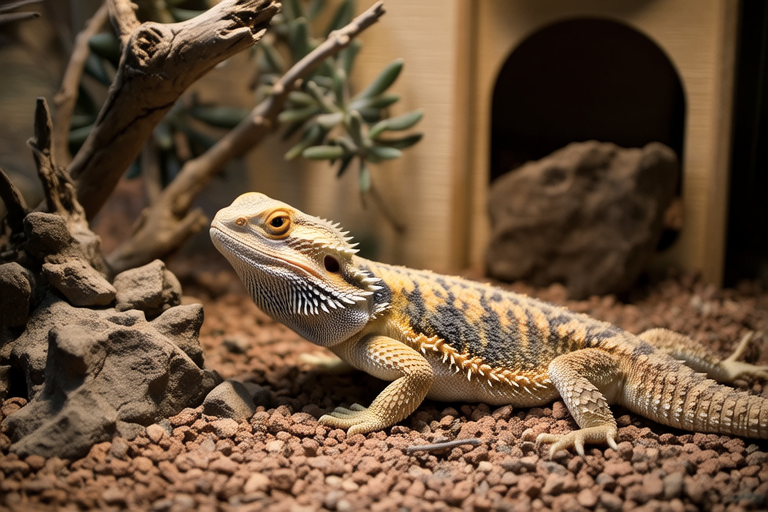
Bearded Dragons Unleashed: How to Create the Perfect Habitat
Welcome to the fascinating world of bearded dragons! These charismatic reptiles have captured the hearts of many pet enthusiasts with their unique personalities and striking appearance. However, as any responsible owner knows, providing the right environment is crucial for their well-being. This guide will help you create the perfect habitat for your bearded dragon, ensuring they thrive in a setting that mimics their natural environment.
The Unique Needs of Bearded Dragons
Bearded dragons come from arid regions of Australia, where they’ve adapted to harsh desert conditions. In captivity, it’s essential to recreate these conditions to maintain their health and happiness. They require specific temperature gradients, lighting, and humidity levels to thrive. Understanding these needs will set you on the path to becoming a successful bearded dragon owner.
Essential Components of a Bearded Dragon’s Habitat
Tank Size
The first step in creating a suitable habitat is choosing the right enclosure. Bearded dragons need ample space to move around and bask. A 40-gallon breeder tank is recommended for adult dragons, while juveniles can start in smaller tanks, upgrading as they grow. Always opt for a tank with a screen top to ensure proper ventilation.
Heating and Lighting Requirements
Temperature regulation is critical for bearded dragons. They’re ectothermic, meaning they rely on external heat sources to regulate their body temperature. Provide a basking spot that reaches between 95°F and 110°F (35°C to 43°C) at one end of the tank. Use a high-wattage incandescent bulb or ceramic heat emitter for this purpose. At the cooler end, temperatures should range between 75°F and 85°F (24°C to 29°C).
In addition to heat, bearded dragons require UVB lighting to synthesize vitamin D3, which aids calcium absorption. Install a UVB lamp that covers about 60% of the tank’s surface. Replace the bulb every six months to ensure optimal output.
Substrate Options
Selecting the right substrate is crucial for preventing impaction, a common health issue in bearded dragons. Avoid substrates like sand and gravel, which can be ingested during feeding. Instead, opt for safer alternatives such as paper towels, reptile carpet, or eco-friendly substrates like coconut fiber or bark chips. Regularly clean the substrate to prevent bacteria buildup.
Hiding Spots
Bearded dragons are naturally shy and benefit from having places to hide. Incorporate caves, hollow logs, or commercially available hides into the tank. These provide a sense of security and help reduce stress. Ensure there are enough hiding spots for all your dragons if you’re keeping more than one.
Maintaining Clean Conditions and Proper Humidity Levels
Keeping the habitat clean is vital for your dragon’s health. Spot-clean daily by removing feces and uneaten food. Perform a thorough cleaning every two weeks, disinfecting the tank and accessories. Avoid using harsh chemicals; instead, opt for reptile-safe disinfectants.
Bearded dragons also require a specific humidity level. While they originate from arid environments, some moisture is necessary to prevent dehydration. Aim for a humidity level between 30% and 40%. Monitor this using a hygrometer and adjust as needed by misting the tank occasionally.
Selecting Safe Decorations and Toys
Adding decorations and toys enriches your dragon’s environment and stimulates their activity. Choose items made from non-toxic materials, ensuring no sharp edges or small parts that could cause injury. Plants, rocks, and branches are excellent choices. Ensure branches are sturdy and securely placed to prevent falls. Live plants can add aesthetic appeal but require careful selection to avoid toxic varieties.
Regular Habitat Maintenance and Adjustments
As your bearded dragon grows, so will its needs. Regularly check the tank’s temperature and humidity levels to ensure they remain within the desired range. Upgrade the tank size as your dragon grows larger. Young dragons may require more frequent feeding and smaller prey items, while adults benefit from a varied diet that includes vegetables and fruits.
Monitor your dragon’s health closely. Signs of illness, such as lethargy, loss of appetite, or abnormal skin coloration, warrant immediate attention. Consult a veterinarian specializing in reptiles for diagnosis and treatment.
Conclusion
Creating the perfect habitat for your bearded dragon requires attention to detail and commitment to their well-being. By understanding their unique needs and providing a stimulating environment, you’ll ensure your dragon lives a long, healthy, and happy life. Whether you’re a novice or experienced reptile owner, the satisfaction of seeing your dragon thrive makes the effort worthwhile. Happy herping!
