Pet Parent’s Guide to Raising a Happy and Healthy Hotot Rabbit
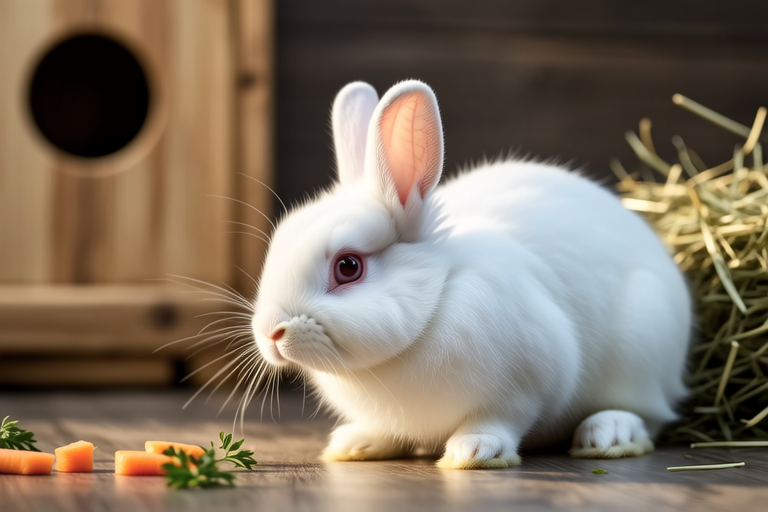
The Hotot rabbit is a charming and unique breed known for its striking appearance and gentle demeanor. Originating from France, these rabbits are medium-sized and have a white coat with a black or blue ring around their eyes, resembling mascara. They are intelligent, playful, and make wonderful companions for those who want a low-maintenance yet affectionate pet. This guide will provide you with essential care tips, dietary specifics, housing requirements, exercise needs, grooming practices, common health issues, and advice for social interaction to ensure your Hotot rabbit leads a happy and healthy life.
Selecting the Right Hotot Rabbit
When choosing a Hotot rabbit, it’s important to select a healthy one that fits well into your lifestyle. Look for a breeder who can provide you with information about the rabbit’s lineage, including any potential hereditary conditions. The rabbit should be active, alert, and have clear eyes, clean ears, and a glossy coat. Avoid rabbits with signs of illness, such as runny noses, discharge from the eyes, or lethargy. It’s also wise to meet the rabbit in its living environment to observe its behavior and temperament.
Understanding Your Hotot Rabbit’s Behavior
Hotot rabbits are generally calm and docile, making them excellent pets for families with children. However, like all animals, they have specific behaviors and preferences that you should understand. They are social creatures that thrive on interaction but may need time to adjust to new environments and people. Providing a quiet corner for them to retreat when overwhelmed can help ease this transition. Additionally, rabbits are crepuscular, meaning they are most active during dawn and dusk, so plan playtime and feeding schedules accordingly.
Integrating Your Hotot Rabbit into Your Family Environment
To integrate your Hotot rabbit into your family, start by creating a comfortable space for them in your home. A large, secure enclosure with ample space for movement and enrichment is crucial. Gradually introduce them to other family members, allowing them to become familiar with each person’s scent and presence. Children should always be supervised when interacting with the rabbit to ensure gentle handling and respect for the animal’s boundaries.
Diet Specifics for Hotot Rabbits
A balanced diet is essential for maintaining your Hotot rabbit’s health. Their primary food should be high-quality hay, which aids digestion and keeps their teeth healthy. Fresh vegetables and fruits should be offered in moderation, with leafy greens like romaine lettuce, kale, and parsley being particularly beneficial. Avoid feeding them foods high in sugar or starch, such as carrots and apples, as these can lead to obesity and dental problems. Pellets formulated specifically for rabbits should be provided in limited quantities to supplement their diet.
Housing Requirements for Hotot Rabbits
Proper housing is crucial for your Hotot rabbit’s comfort and safety. They require a spacious cage or enclosure that allows for plenty of room to move around and stretch. The floor should be solid to prevent injury from wire-bottomed cages. Line the enclosure with soft bedding such as straw or paper-based products, and ensure there are no sharp edges or small parts that could pose a choking hazard. The enclosure should be placed in a cool, quiet area away from drafts and direct sunlight. Additionally, provide toys and tunnels to stimulate mental and physical activity.
Exercise Needs for Hotot Rabbits
Hotot rabbits are active and require regular exercise to stay healthy. Allow them supervised time outside of their enclosure in a safe, rabbit-proofed area where they can explore and play. This helps prevent boredom and promotes muscle development. Rotate toys and activities to keep them engaged and mentally stimulated. Ensure the play area is free from hazards, such as toxic plants, electrical cords, and small objects that could be ingested.
Grooming Practices for Hotot Rabbits
Grooming your Hotot rabbit is an important part of maintaining their hygiene and preventing skin issues. Brush their coat regularly, especially during shedding seasons, to remove loose fur and prevent hairballs. Check their nails periodically and trim them if necessary to avoid overgrowth, which can cause discomfort and difficulty walking. Clean their ears gently with a damp cloth and consult a veterinarian if you notice any signs of infection or irritation. Bathing should be minimal, as rabbits are self-grooming animals, and excessive bathing can strip their natural oils.
Common Health Issues in Hotot Rabbits
Like all breeds, Hotot rabbits are susceptible to certain health issues. Dental problems, such as overgrown teeth, are common and can be managed through proper diet and regular veterinary check-ups. Gastrointestinal stasis, a condition where the digestive system slows down or stops, can be prevented by maintaining a consistent feeding schedule and providing plenty of hay. Respiratory infections may occur if the rabbit’s living environment is too cold or damp, so monitor their habitat for optimal temperature and ventilation. Regular vet visits are essential for early detection and treatment of any health concerns.
Advice for Social Interaction with Your Hotot Rabbit
Socializing your Hotot rabbit is key to building a strong bond and ensuring they feel secure and loved. Spend quality time with them daily, offering gentle petting and positive reinforcement through treats and praise. Training them to come when called or sit on command can enhance communication and strengthen the relationship. Encourage gentle play with interactive toys and supervised interactions with other pets to promote socialization and reduce stress. Always approach your rabbit calmly and avoid sudden movements that may startle them.
In conclusion, raising a Hotot rabbit requires attention to their specific needs regarding diet, housing, exercise, grooming, and social interaction. By following the guidelines outlined in this guide, you can provide your Hotot rabbit with a nurturing environment that supports their physical and emotional well-being. Remember that every rabbit is unique, so adapt these suggestions to suit your pet’s individual personality and preferences. With patience, love, and care, your Hotot rabbit will thrive and bring joy to your family for years to come.
