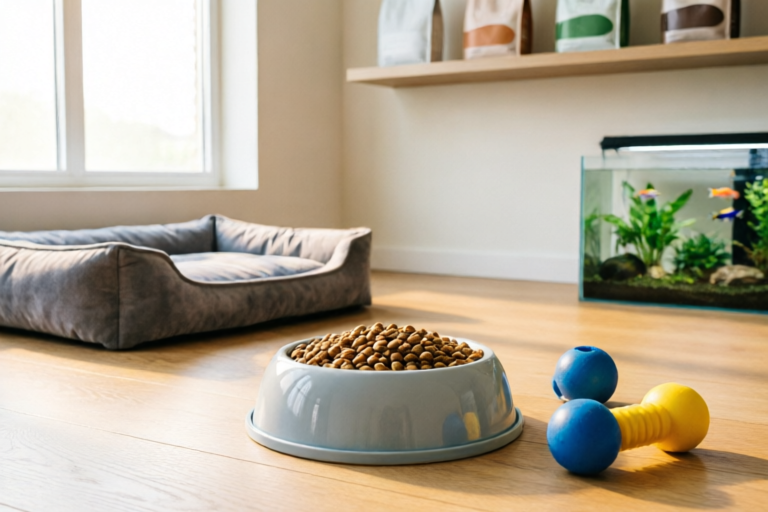
How to Choose the Best Dog Food for Your Puppy
Feed Your Puppy Right for Optimal Growth and Health
How to Choose the Best Dog Food for Your Puppy
Introduction to Puppy Nutrition Needs
Understanding the unique nutritional requirements of puppies compared to adult dogs is crucial for ensuring their healthy growth and development. Puppies have higher caloric and nutrient demands due to their rapid growth and increased activity levels. A balanced diet is essential for supporting their physical and cognitive development.
Key Nutritional Components in Puppy Food
Protein Sources: Protein is vital for muscle development and repair. Look for high-quality animal-based proteins like chicken, beef, or fish. Avoid foods with excessive plant-based protein sources, as they may not be as easily digestible for puppies.
Fats: Fats provide energy and support brain function. Healthy fats, such as omega-3 and omega-6 fatty acids, are important for skin health and coat quality. Ensure that the fat content comes from natural sources rather than added oils.
Vitamins and Minerals: Essential vitamins and minerals are necessary for bone health, immune system function, and overall wellness. Calcium and phosphorus are particularly important for strong bones and teeth. Vitamin E, vitamin C, and antioxidants can also help boost immunity.
Factors to Consider When Selecting Puppy Food
Age-Appropriate Formulas: Different stages of puppyhood require different nutritional profiles. Choose a formula specifically designed for your puppy's age group—either puppy-specific or small breed puppy-specific if applicable.
Quality of Ingredients: High-quality ingredients should be listed prominently on the label. Avoid foods containing fillers, artificial preservatives, and by-products. Look for whole meats, fruits, and vegetables as primary ingredients.
Brand Reputation and Customer Reviews: Research the brand’s history and customer feedback. Established brands with positive reviews tend to offer more reliable products. Check online forums and pet stores for recommendations from other owners.
Reading Labels and Decoding Ingredients
Understanding how to read dog food labels can help you make informed decisions. Look for clear ingredient lists and avoid vague terms like 'animal digest' or 'meat meal.' Prioritize recipes that list specific meat sources and avoid artificial colors, flavors, and preservatives.
Identifying High-Quality Ingredients: High-quality ingredients are typically named explicitly, such as 'chicken' or 'beef,' rather than generic terms like 'meat.' Check for the presence of whole grains, fruits, and vegetables, which provide additional nutrients and fiber.
Common Misleading Marketing Terms: Be wary of marketing buzzwords like 'natural' or 'holistic.' These terms are not regulated and do not guarantee high-quality ingredients. Instead, focus on specific nutritional claims backed by scientific evidence.
Budget-Friendly Options vs Premium Brands
When considering cost-effective options versus premium brands, it's important to balance quality and affordability. Some budget-friendly brands still offer nutritious options without compromising your puppy's health. Compare the ingredient lists and nutritional profiles carefully before making a decision.
Premium brands often invest more in research and development, using higher-quality ingredients and offering better customer service. However, they may come at a higher price point. If possible, try to find samples or small bags of both budget-friendly and premium brands to see which works best for your puppy.
Conclusion and Final Tips
In summary, choosing the best dog food for your puppy involves understanding their unique nutritional needs, selecting high-quality ingredients, and considering factors like age-appropriate formulas and brand reputation. Always read labels carefully and avoid misleading marketing terms.
When transitioning your puppy to new food, do so gradually over a week to prevent digestive upset. Monitor their response closely for any signs of discomfort or allergic reactions. Additionally, consult with a veterinarian for personalized recommendations based on your puppy's specific needs.
By following these guidelines, you can ensure that your puppy receives the optimal nutrition needed for healthy growth and development. Happy feeding!
Comments

Balancing quality and price is tricky. Any suggestions for a middle ground that doesn't break the bank?

I followed your advice and started with an age-appropriate formula. My puppy seems happier and more energetic already!

Reading labels is so important! I never realized how much marketing can mislead you. Any other common mistakes we should watch out for?

Great article! My puppy had some tummy issues before, but switching to a higher quality food really helped. Anyone else have that problem?
I tried the budget-friendly option you suggested and my puppy loves it! But how do I know if it's actually working for his health?
Thanks for the tip on avoiding fillers! My vet mentioned that too. Any advice on transitioning from wet to dry food?

This really helped me pick out a better food for my 8-week-old pup! I was confused about all the options but now I'm focusing on those with real meat as the first ingredient.