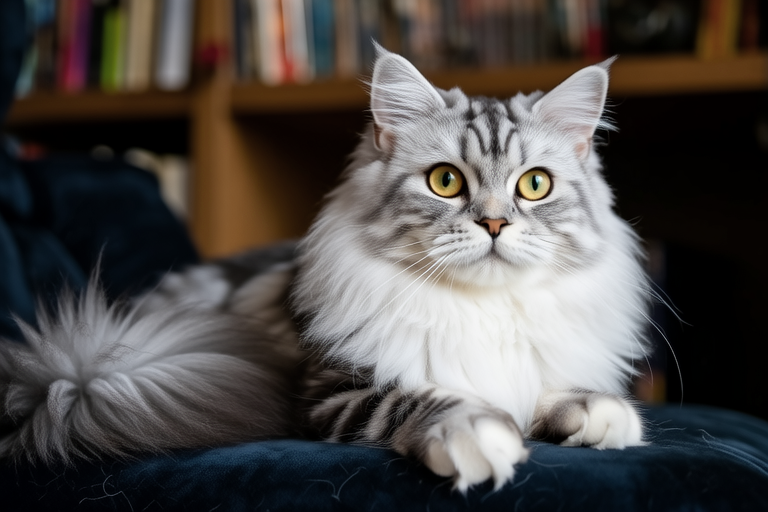
Why Persian Cats Are More Than Just a Pretty Face
Persian cats are often admired for their striking appearance, but there’s much more to them than meets the eye. Known for their luxurious long coats, expressive blue eyes, and regal demeanor, these felines have captured the hearts of many cat lovers. However, beyond their aesthetic appeal, Persian cats possess unique personalities, intelligence, and a special bond with their owners. This article delves into the world of Persian cats, exploring their history, grooming needs, health considerations, and the special connection they share with humans.
A Brief History of Persian Cats
The origins of Persian cats date back thousands of years. They were first documented in ancient Persia, now known as Iran, and were brought to Europe by Italian traders in the 16th century. The breed gained popularity among European nobility, and over time, breeders selectively bred them to enhance their distinctive features. Today, Persian cats are one of the most popular breeds globally, cherished for their elegance and grace.
The Unique Personality of Persian Cats
Contrary to popular belief, Persian cats are not just passive, docile creatures. While they may seem aloof at times, they are highly affectionate and enjoy companionship. They are known to be calm and gentle, making them excellent companions for families with children or other pets. Their temperament is generally serene, and they prefer a peaceful environment. Persian cats are also intelligent and curious, often engaging in playful activities and solving puzzles. These traits make them delightful pets for those who appreciate a thoughtful and interactive companion.
Grooming Needs
One of the most recognizable features of Persian cats is their long, luxurious coat. Maintaining this coat requires regular grooming to prevent matting and tangling. Daily brushing is recommended to keep their fur healthy and shiny. Bathing should be done occasionally, but it’s essential to use products specifically designed for cats to avoid skin irritation. Trimming their nails regularly and cleaning their ears and teeth are also part of routine care. Despite the intensive grooming, many Persian cat owners find the process rewarding and a way to deepen their bond with their pet.
Health Considerations
Persian cats are prone to certain health issues due to their genetic predisposition. One common concern is polycystic kidney disease (PKD), which can lead to kidney failure if left untreated. Regular veterinary check-ups are crucial for early detection and management of this condition. Additionally, Persian cats may suffer from respiratory problems due to their flattened faces, leading to breathing difficulties. Proper diet, exercise, and weight management can help mitigate some of these issues. Providing a stress-free environment and ensuring they receive adequate hydration are also important steps in maintaining their overall health.
The Special Bond Between Persian Cats and Their Owners
Despite their independent nature, Persian cats form strong bonds with their owners. They are affectionate and seek attention, often following their owners around the house. Many Persian cat owners report that their pets have a unique ability to sense their emotions and offer comfort during difficult times. This emotional intelligence fosters a deep connection between the cat and its human, creating a relationship built on trust and mutual understanding.
Common Misconceptions About Persian Cats
There are several misconceptions surrounding Persian cats that deserve addressing. One prevalent myth is that they are lazy and uninterested in play. In reality, Persian cats are curious and enjoy mental stimulation. Another misconception is that they require minimal care due to their calm demeanor. While they may appear low-maintenance, their grooming and health needs demand consistent attention. Lastly, some believe that Persian cats are unsuitable for families with children or other pets. However, with proper introduction and supervision, Persian cats can coexist harmoniously with other animals and children.
Tips for Potential Owners
If you’re considering adopting a Persian cat, here are some tips to ensure a smooth transition:
- Research Breeders: Choose a reputable breeder who prioritizes the health and well-being of their cats. Look for breeders who provide health clearances and socialization experiences.
- Prepare Your Home: Create a safe and comfortable space for your new pet. Provide scratching posts, litter boxes, and cozy resting spots. Ensure all areas are free from hazards such as toxic plants or small objects that could be swallowed.
- Establish a Routine: Persian cats thrive on consistency. Establish a daily routine for feeding, grooming, and playtime to provide structure and security.
- Seek Professional Advice: Consult with a veterinarian familiar with Persian cats to address any specific health concerns and develop a preventive care plan.
- Be Patient: Every cat has its own personality and adjustment period. Give your Persian cat time to settle into its new home and build a trusting relationship.
Conclusion
Persian cats are more than just a pretty face; they are intelligent, affectionate, and loyal companions. With their rich history, unique personalities, and special bond with their owners, Persian cats offer much more than meets the eye. While they require dedicated care and attention, the rewards of owning a Persian cat are immeasurable. For those willing to invest time and effort, Persian cats can bring joy, companionship, and endless love into their lives.
