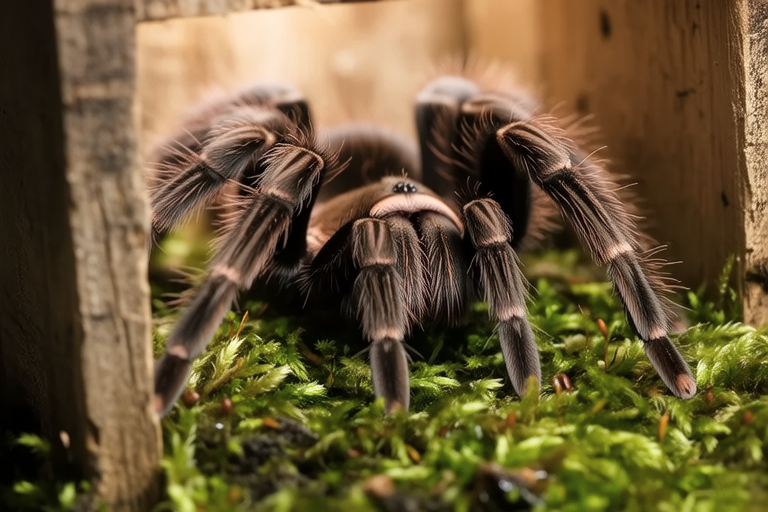
From Fear to Fondness: Raising a Tarantula at Home
Dispelling Common Misconceptions About Tarantulas
Tarantulas have long been misunderstood, often viewed with fear or revulsion. These arachnids are frequently mistaken for aggressive, dangerous creatures. However, tarantulas are generally docile and shy, preferring to avoid confrontation. Another misconception is that all tarantulas are venomous and deadly. While their venom can be harmful to humans, it’s comparable to a bee sting and rarely causes serious harm. The fear surrounding tarantulas is largely unfounded, making them intriguing pets for those willing to learn more.
Setting Up a Suitable Habitat
Tank Size and Substrate
The first step in raising a tarantula is providing a suitable habitat. A spacious tank is essential, with dimensions varying depending on the species. For instance, a 10-gallon tank is adequate for most medium-sized tarantulas, while larger species may require tanks as big as 20 gallons. The substrate, or bedding material, is crucial for creating a natural environment. Coconut fiber, peat moss, or a mix of these materials provides excellent insulation and moisture retention. It should be at least three inches deep, allowing your tarantula to burrow and feel secure.
Temperature and Humidity Levels
Temperature and humidity control are vital for your tarantula’s well-being. Most tarantulas thrive in temperatures between 75°F and 85°F (24°C to 29°C). Use a digital thermometer to monitor these conditions accurately. Humidity levels should range between 60% and 80%, depending on the specific species. This can be achieved by misting the substrate regularly or using a humidifier. Ensure proper ventilation to prevent mold growth, which could harm your pet.
Lighting
Lighting is another important aspect of your tarantula’s habitat. Tarantulas are nocturnal and do not require direct sunlight. However, a low-wattage red or blue light can be used for observation purposes without disturbing their natural day-night cycle. Avoid using heat lamps or other intense lighting sources, as they can cause stress or overheating.
Dietary Needs of Tarantulas
Feeding your tarantula appropriately is key to its health and longevity. Tarantulas are carnivorous and feed primarily on insects such as crickets, mealworms, and roaches. The size of the prey should be proportional to the tarantula; a good rule of thumb is that the prey should not exceed half the width of the spider’s abdomen. Feeding frequency depends on the age and species of the tarantula, but typically, juveniles need to eat every few days, while adults may only require food once a week.
Variety in diet can help ensure your tarantula gets all necessary nutrients. Gut-loading the prey—feeding the insects a nutritious diet before offering them to your tarantula—can enhance their nutritional value. Additionally, dusting the prey with calcium and vitamin supplements is beneficial, especially for growing tarantulas.
Handling and Interaction Guidelines
Handling your tarantula requires patience and care. Always use caution, as tarantulas can be sensitive to sudden movements. When handling, gently scoop the tarantula from its enclosure using a soft brush or a hand that has been slowly introduced to the spider. Never grab or squeeze the tarantula, as this can cause injury. Allow the tarantula to walk onto your hand rather than forcing it.
Interaction should be minimal and respectful of the tarantula’s preferences. Some species may be more tolerant of handling than others, so it’s important to observe your tarantula’s behavior and adjust accordingly. If your tarantula shows signs of distress, such as rearing up or flicking urticating hairs, it’s best to stop handling immediately and give the spider time to settle.
Maintaining the Health of Your Tarantula
Signs of Illness
Regular monitoring is crucial for maintaining your tarantula’s health. Signs of illness include lethargy, loss of appetite, unusual webbing patterns, or changes in coloration. If you notice any of these symptoms, it’s important to act promptly. Consult an exotic veterinarian experienced in treating arachnids for a diagnosis and treatment plan.
Regular Care Routines
A routine cleaning schedule helps maintain a healthy environment. Clean the tank weekly, removing uneaten prey and replacing soiled substrate. Check for any signs of mold or pests, and address them immediately. Regularly inspect the tarantula for mites or other parasites, which can be treated with specialized medications available from pet stores or veterinarians.
When to Consult an Exotic Veterinarian
While many issues can be managed with home care, some problems require professional attention. If your tarantula refuses food for an extended period, shows significant weight loss, or displays severe behavioral changes, it’s advisable to seek veterinary care. Early intervention can prevent minor issues from becoming serious health concerns.
The Rewarding Aspects of Tarantula Ownership
Owning a tarantula can be a deeply rewarding experience. Watching your tarantula grow and thrive in its environment fosters a unique bond. Many owners find joy in observing their tarantula’s behaviors, from hunting to molting. Over time, the initial fear often transforms into fondness as you learn more about these fascinating creatures. With the right care and understanding, raising a tarantula can be a fulfilling hobby that deepens your appreciation for the natural world.
